Museums & Art Galleries in Macau, 澳门

Macau has a rich and diverse collection of museums and galleries ranging from large institutions focusing on maritime traditions and colonial history to smaller, more intimate museums of contemporary art and local heritage.
The many museums of Macau, both large and small, form an essential part of the UNESCO-listed Historic Centre of Macau, so any visit, even a day trip from Hong Kong, should include a museum visit or two.
What and where are some of Macau's many museums and art galleries? See a listing below.
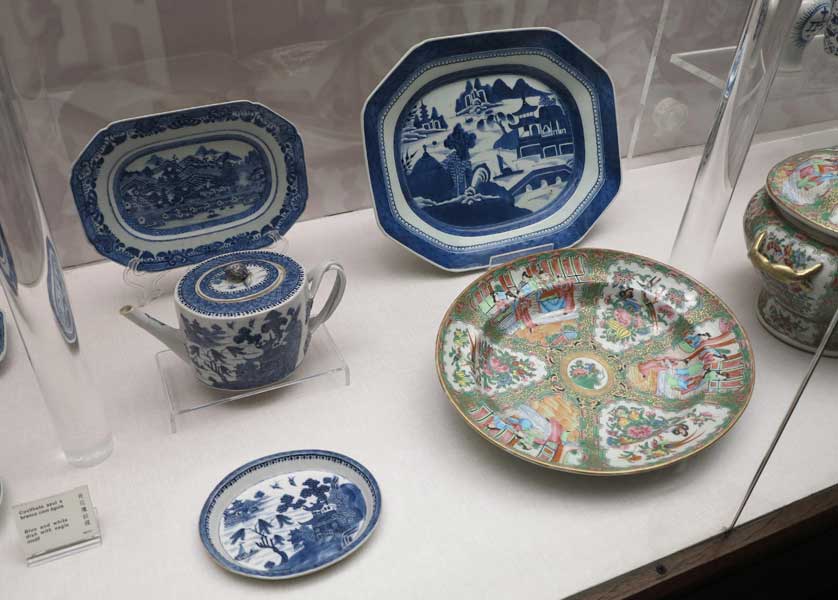
Macau Museum
The Macau Museum (Museu de Macau) aims to preserve Macau's historical heritage and present the city's Chinese-Portuguese cultural fusion. The exhibits show the development of Macau from a small fishing village to an international port and modern city.
The museum first opened to the public in April 1998. It was built within Mount Fortress, a 17th-century Jesuit military structure that once served as Macau's main defensive fort. Before becoming a museum, the fortress complex was used as a meteorological observatory in the 20th century. In 2005, the site became part of the Historic Centre of Macao, recognizing its cultural significance.
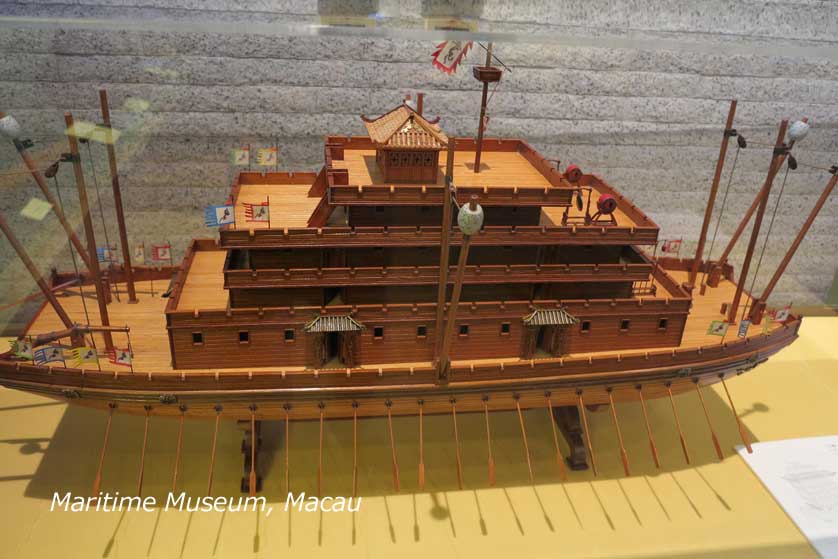
Maritime Museum
The Maritime Museum (Museu Marítimo) in the São Lourenço district is well worth a visit to understand how the city's history is intimately connected to the sea. From fisherfolk to pirates and the arrival of the Portuguese in their gallions, the sea is central to the story of Macau.
Indeed, the museum's very location near A-Ma Temple is thought to be where the Portuguese first set shore on Macau. The museum has a wide array of exhibits. These are grouped under various themes: Maritime Ethnology; Maritime History; and Maritime Technology. There is also an aquarium and public esplanade.

Macau Museum of Art
For both contemporary and traditional art, enjoy a visit to the Macau Museum of Art. The museum occupies a wide area and was first opened in 1999.
There are five different floors to venture through and these include the the following; the Gallery of Chinese Paintings and Calligraphy, the Gallery of Chinese Ceramics, the Macau Historical Pictures and Contemporary Art Works as well as several rooms set aside for special exhibitions and a separate floor larger exhibitions.
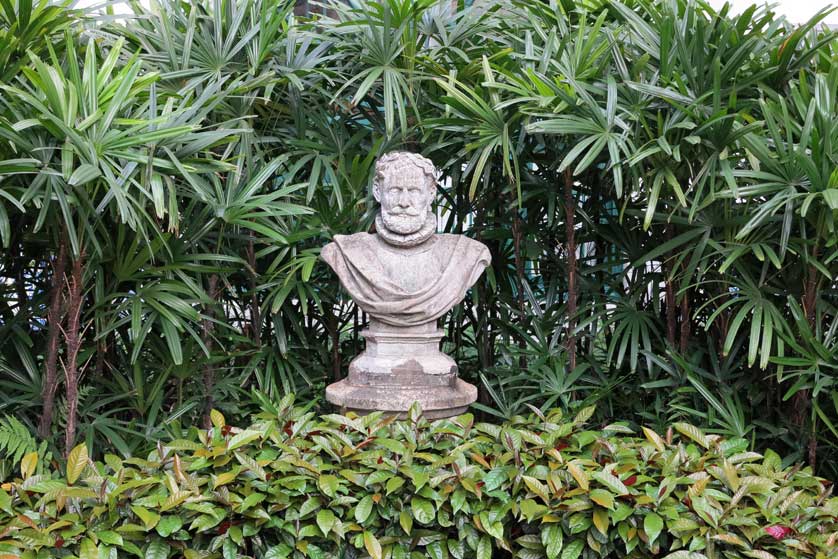
Leal Senado
The Leal Senado in Senado Square now houses Macau's Municipal Affairs Bureau. It served for centuries as the seat of Macau's municipal government during Portuguese rule and forms part of the UNESCO-listed Historic Centre of the city. Inside, the first floor has a gallery which hosts exhibitions on regular occasions throughout the year. A public library, opened in 1929, is located on the first floor. Its design was inspired by the library of the Mafra Convent in Portugal and is decorated in classical style. The library holds around 18,500 books and specializes in foreign-language works dating from the 17th century to the 1950s, particularly those related to Portuguese history in Africa and the Far East.
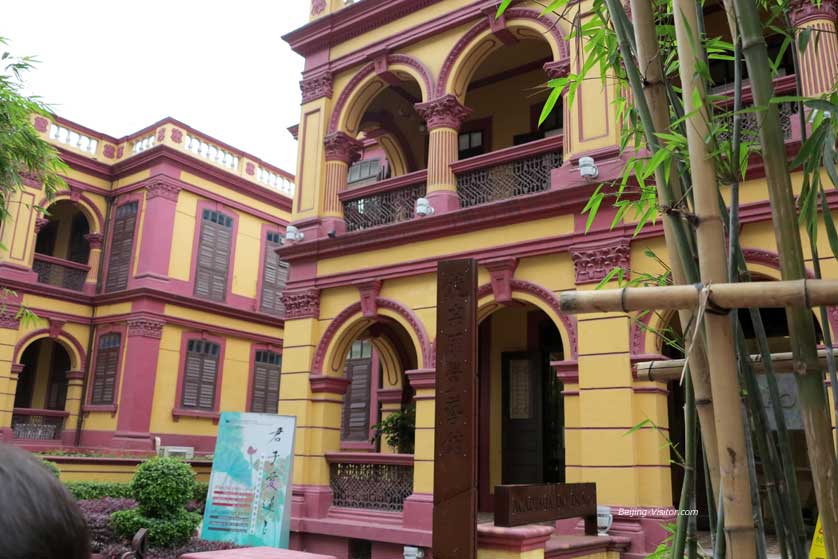
Jao Tsung-I Academy Macau
The Jao Tsung-I Academy in the São Lázaro district is a cultural institution dedicated to the life and achievements of the renowned Chinese scholar Jao Tsung I. Scholar, painter, and calligrapher, Jao Tsung I is widely regarded as one of the greatest contemporary masters of Sinology.
Born in Chaozhou, he became famous for his vast scholarship covering fields such as Chinese history, literature, archaeology, linguistics, and art. Over a career spanning more than seven decades, Jao held academic positions at institutions including The University of Hong Kong, The Chinese University of Hong Kong, and several international universities.
The building includes exhibition rooms, a library, lecture spaces, and landscaped front and rear courtyards. The academy's exhibitions primarily focus on the scholarship and artistic work of Professor Jao Tsung-I. Permanent displays present his paintings and calligraphy, highlighting the diverse subjects and techniques he mastered, including landscapes, flowers, bamboo, and historical scripts.
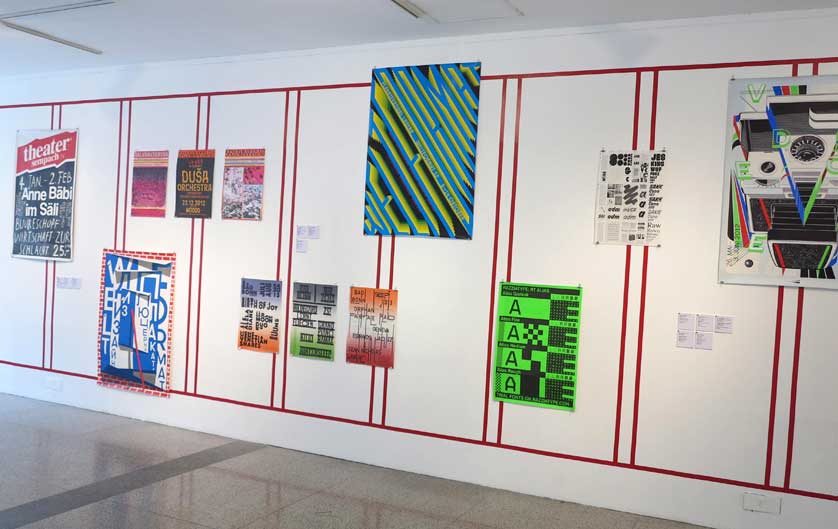
Tap Seac Gallery
The Tap Seac Gallery opened in 2003 and is housed in an historic building in the San Lazaro district. The Tap Seac Gallery is one of Macau's key cultural venues dedicated to contemporary visual arts. The gallery is operated by the Cultural Affairs Bureau of the Macao SAR Government. Its aim is to promote artistic creativity in the city while providing a platform for exhibitions from both local and international artists.

Santa Casa da Misericórdia
The Santa Casa da Misericórdia of Macau (Holy House of Mercy) is another important building in Senado Square along with the Leal Senado. The Museum Centre within the fine building opened in 2001 and has displays of religious art, Chinese, Japanese and Portuguese ceramics, as well as altar pieces and church vestments.
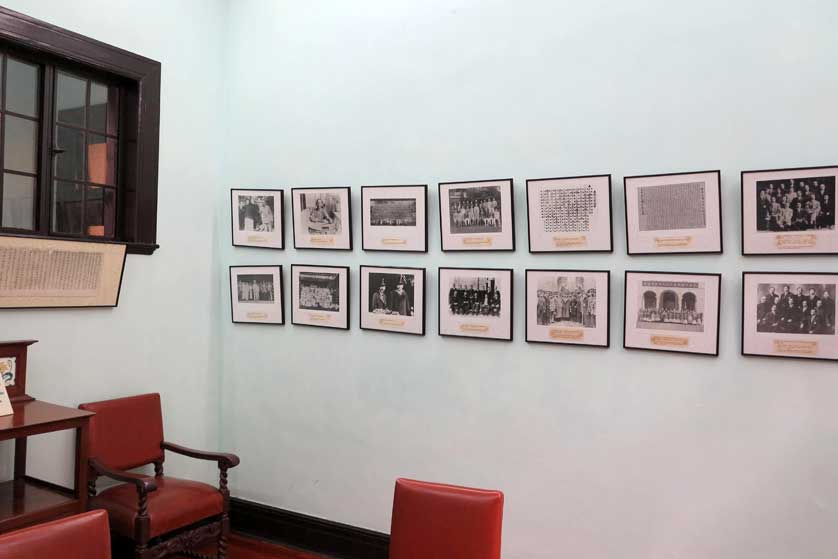
Sun Yat Sen Memorial House
The Dr Sun Yat Sen Memorial House is a small but historically significant museum dedicated to the life of Sun Yat-sen, widely known as the "Father of Modern China." Located in the São Lázaro district, the house preserves the memory of Sun's revolutionary activities and his family's life in the city. Visiting it offers insight into both Chinese political history and Macau's multicultural architectural heritage.

Ruinas de Sao Paulo Museum
The baroque Ruinas de Sao Paulo is an icon of Macau. The magnificent baroque facade of the former Jesuit Cathedral of Sao Paulo is Macau's most symbolic historical building and a major landmark.
The cathedral was built between 1602 and 1640 by the Jesuits with the help of Japanese Christian converts who fled to Macau to escape religious persecution in Japan in the 16th century.
The former crypt and nave are now a small museum dedicated to Macau's many historic churches.
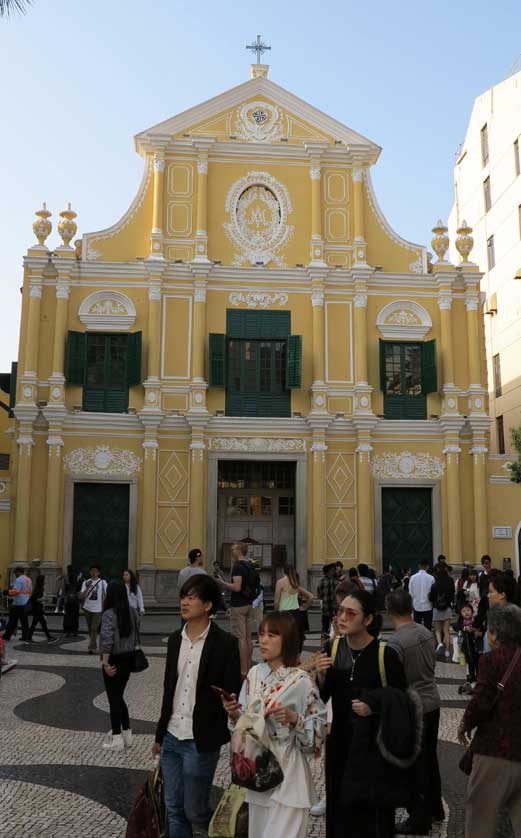
St. Dominic's Church Treasure of Sacred Art Museum
St. Dominic's Church is a historic Baroque-style Catholic church located in the Historic Centre of Macau near Senado Square. First built in 1587 by three Spanish Dominican priests who arrived from Acapulco, Mexico, it stands as one of the city's oldest and most significant religious landmarks and a UNESCO World Heritage site.
The Treasure of Sacred Art Museum lies inside the bell tower of the church. It houses over 300 Catholic relics, including 17th-19th century wood/ivory statues, silver sacramental objects, and oil paintings.
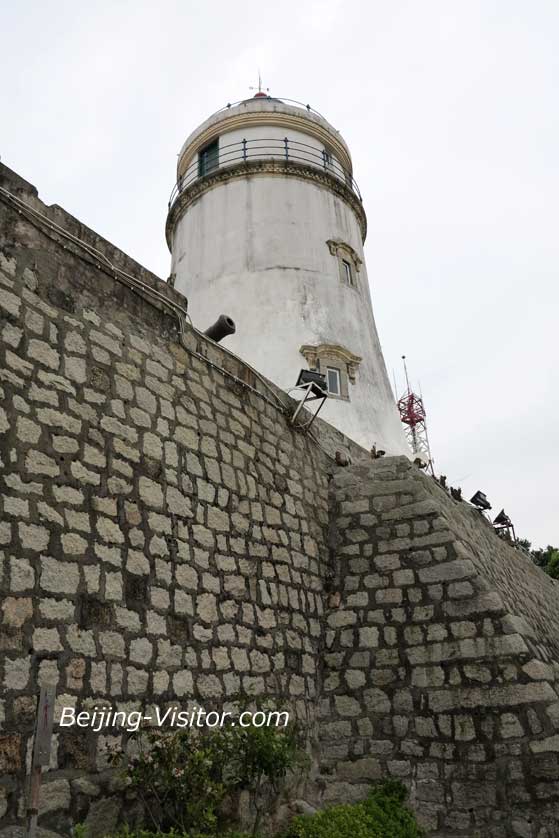
Guia Fortress
The Guia Fortress was built between 1622 and 1638. It was constructed on Guia Hill, Macau's highest point, to defend against potential Dutch invasions following the 1622 Battle of Macau. The complex also includes the Guia Lighthouse, completed in 1865 - the first modern lighthouse on the coast of China and the Guia Chapel. The fortress opens between 10 am and 6 pm with no entry after 5.30 pm. The lighthouse is mostly closed to the public.

Dom Pedro V Theatre
The Dom Pedro V Theatre is the oldest western-style theatre in China. The elegant theatre has long functioned as a venue for music, dance, and a wide range of other performances including cinema. While the theatre no longer operates as a large-scale performance venue, it still hosts occasional concerts, cultural events, and small theatre performances. Its role has shifted more toward being a heritage attraction where visitors can appreciate Macau's colonial cultural legacy and architecture.
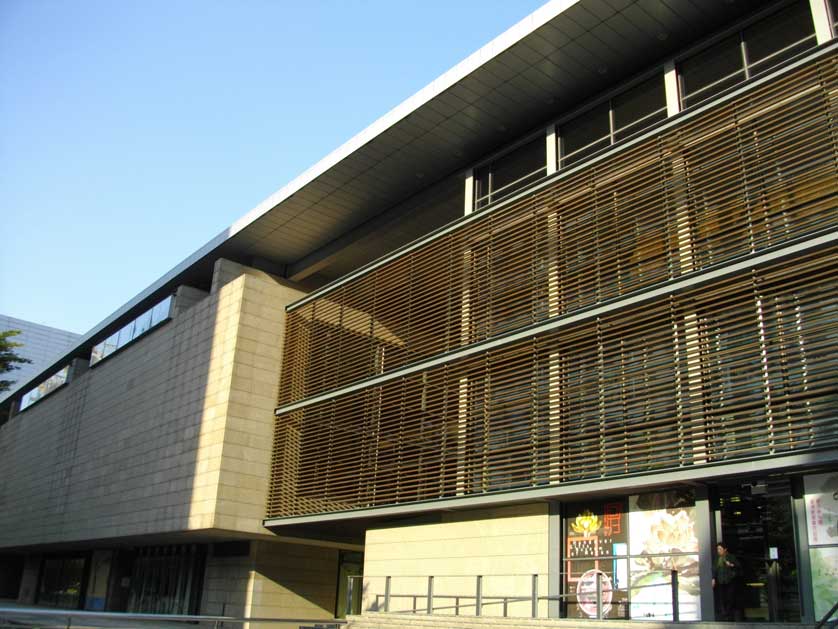
Macau Handover Gifts Museum
The Macau Handover Gifts Museum commemorates the historic transfer of sovereignty from Portugal to China in 1999. Located near the Macau Cultural Centre, the museum houses a unique collection of ceremonial gifts presented by provinces, municipalities, and organizations across China to mark the occasion. Through these intricately crafted artworks-ranging from sculptures to tapestries - the museum reflects themes of unity, cultural pride, and national identity, offering visitors a meaningful glimpse into a pivotal moment in Macau's modern history.

Natural and Agrarian Museum
The Natural and Agrarian Museum offers a glimpse into Macau's rural past and ecological heritage. Situated in Coloane, the two-house museum showcases traditional farming tools, local plant species, and exhibits on animal life, highlighting how agriculture once shaped daily life in the region. With its modest, informative displays, it provides visitors a quieter, educational perspective on Macau beyond its urban and cultural landmarks.

Taipa Houses Museum
The Taipa Houses Museum references Macau's colonial-era lifestyle. This row of five distinctive green houses, built in the early 20th century for wealthy Portuguese families, has been carefully restored and converted into exhibition spaces that showcase Macanese traditions, Portuguese influences, and domestic life of the past. Visitors can explore period furnishings, photography displays, and cultural exhibits that illustrate the fusion of East and West.
Macau Essentials
- For cheap flights to Macau check elong.com. A lot of budget airlines (Bangkok Airways, Jetstar Asia, AirAsia, Tiger Airways etc.) fly to Macau.
Macau International Airport has flights to a number of international destinations worldwide including Bangkok, Manila, Seoul and Taiwan and to many other Chinese cities including Beijing, Guangzhou, Guilin, Hangzhou, Nanjing, Ningbo, Shanghai, Shantou, Xianmen and Xian. - Trains - for non-fliers the best option is to take a train to Hong Kong from Beijing West Railway Station and then a ferry to Macau.
Tip: A cheap / fast way to get from Beijing to Macau is to fly from Beijing to Shenzhen and then take a coach to Hong Kong. The flight from Beijing to Shenzhen is considered domestic and therefore much cheaper compared with flying to Hong Kong direct. - Buses and taxis are the major modes of public transport in Macau. Pedicabs are also available for sightseeing. Macau drives on the right, like the rest of China, except Hong Kong.
- Visas: most passport holders of Western countries receive a free 30 or 90-day visa on arrival. To re-enter China requires a multiple entry Chinese visa, or a valid single/double entry visa.
Accommodation in Macau
Grand Lapa Hotel
For those looking for a comfortable and family friendly hotel, then a hidden gem is the Grand Lapa Hotel which is located directly next to Fisherman's Wharf and the Sands Hotel.
The hotel has undergone a transformation and has elegant interiors as well as some newly renovated hotel rooms. The hotel also has a modern spa, gym facilities and a swimming pool which has a water slide as as well as an outdoor Jacuzzi.
The Grand Lapa Hotel also offers a whole host of organised activities for children so parents can have a break. In terms of dining, visitors can try the Cafe Bela Vista, Naam Thai restaurant and Kam Lai Heen Chinese restaurant. The hotel's breakfast buffet is also very famous and worth sampling.
Address: Grand Lapa, 956 - 1110 Avenida Da Amizade, Macau
Wynn Palace Hotel
For those looking for more glitz and glamour in terms of accommodation then they can book accommodation at one of the most over the top hotels in Macau, namely the Wynn Palace. An incredible and vast structure, not only does the interior mimic the exterior in term of glamour and opulence, the hotel boasts an incredible water show and its own cable car system.
The hotel has a famed buffet and also boasts some international acclaimed restaurants such as Sichuan Moon, SW Steakhouse and Japanese specialities at Mizumi. If visitors love shopping then the Wynn Esplanade is a shopping mecca spread over 106,000 square metres.
Address: Avenida Da Nave Desportiva, Cotai, Macau
Book hotels in Macau & Hong Kong - Macau has some of Asia's most opulent hotels.
Map of Macau
Book Hotel Accommodation in Hong Kong & Macau
Book Hotels in Hong Kong - Booking.com
Hotels in Hong Kong - Agoda
Find Hotels in Kowloon - Booking.com
Peninsula Hotel Hong Kong
Search Hotels in Macau - Booking.com
Venetian Macau Resort Hotel
Budget Hotels in Hong Kong - Booking.com
Travel Books on Macau & China