UNESCO World Heritage Sites in China
Here is a list of UNESCO World Heritage sites in China and the year they were inscribed to the list. China is tied for the most UNESCO World Heritage Sites in the world along with Italy.

Ancient Buildings in the Wudang Mountains (1994)
Buildings from the Yang, Ming and Qing dynasties located in the Wudang Mountains in Hubei Province, central China.

Ancient City of Pingyao (1997)
The walled city of Pingyao in Shanxi Province dates back to the Western Zhou Dynasty (1054-771 BCE).
Strategically located on the old trade route between Beijing and Xi'an, Pingyao was particular important in the medieval period for banking and money exchange.
China's first banks or exchange shops (piaohao) were established here.
Read a guide to Pingyao
Site of Xanadu (2012)
Located north of the Great Wall of China, the Site of Xanadu is the remains of Kublai Khan's capital, laid out by Liu Bingzhdong in 1256.
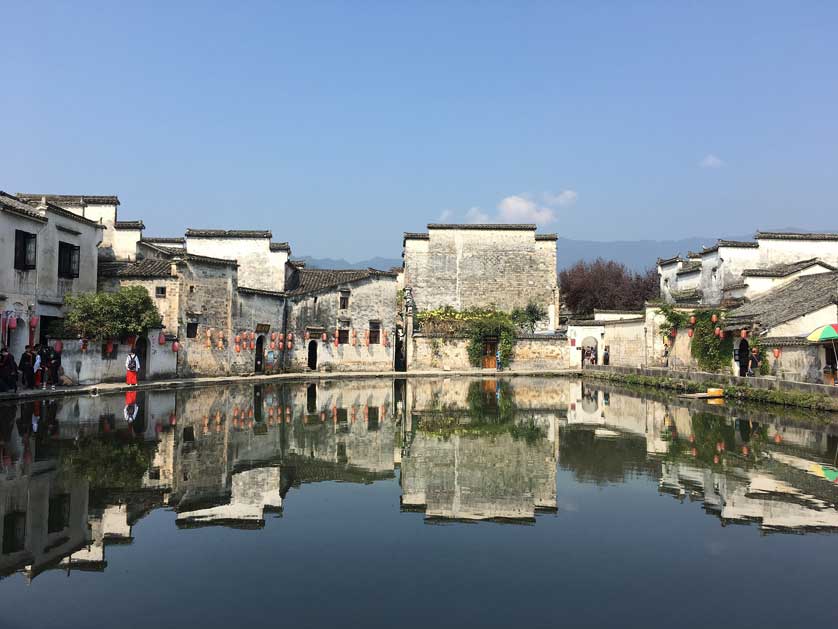
Ancient Villages of Xidi & Hongcun in Anhui Province (2000)
The traditional agricultural villages of Xidi & Hongcun in southern Anhui Province retain a style of feudal, rural architecture that has largely disappeared in modern China. Hongcun Village is arranged in the shape of an ox with 150 historic houses still preserved. Xidi Village retains over 120 wooden residences dating from the Ming and Qing dynasties.
Capital Cities and Tombs of the Koguryo Kingdom, Liaoning & Jilin Provinces (2004)
The Koguryo Kingdom ruled parts of what is now Korea and areas of northern China in a period between approximately 227 BCE-668 CE. The preserved site includes the archeological remains of 3 ancient cities and 40 tombs.
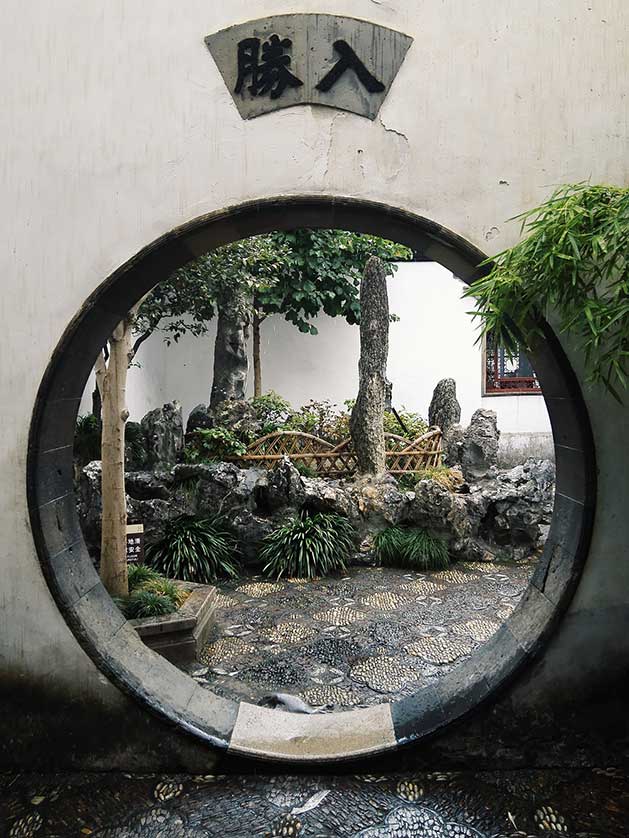
Classic Gardens of Suzhou Jiangsu Province (1997)
Built between the 11-19th centuries, the gardens of Suzhou in Jiangsu Province are beautiful examples of classical Chinese garden architecture, which seeks to recreate nature in miniature. Styles of Chinese garden architecture spread over time to Korea and Japan.
Read more about the Gardens of Suzhou
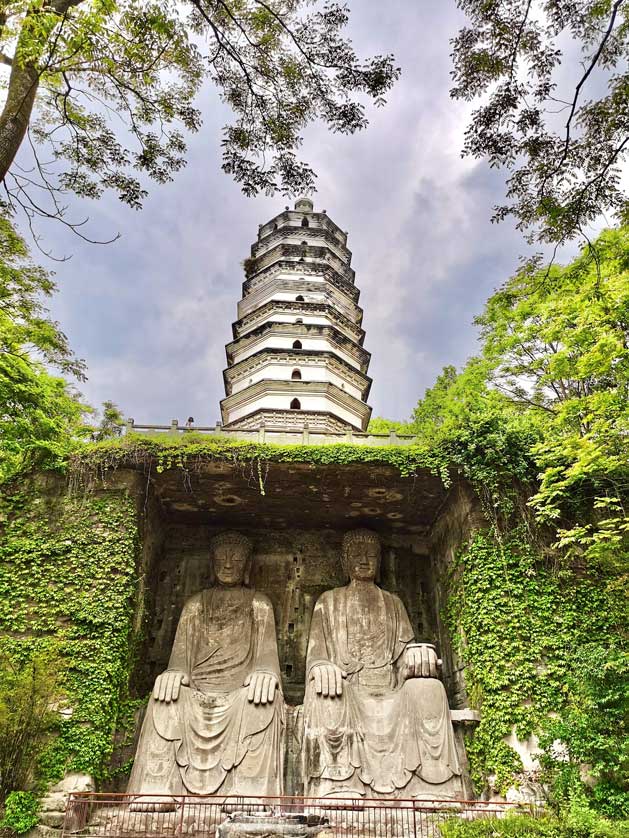
Dazu Rock Carvings Chongqing (1999)
Carved between the 9-13th centuries, the Dazu rock carvings in the municipality of Chongqing, reveal the eclectic synthesis of art in Imperial China during this period. Buddhist, Confucianist and Taoist symbols and iconography are fused into a tasteful whole.
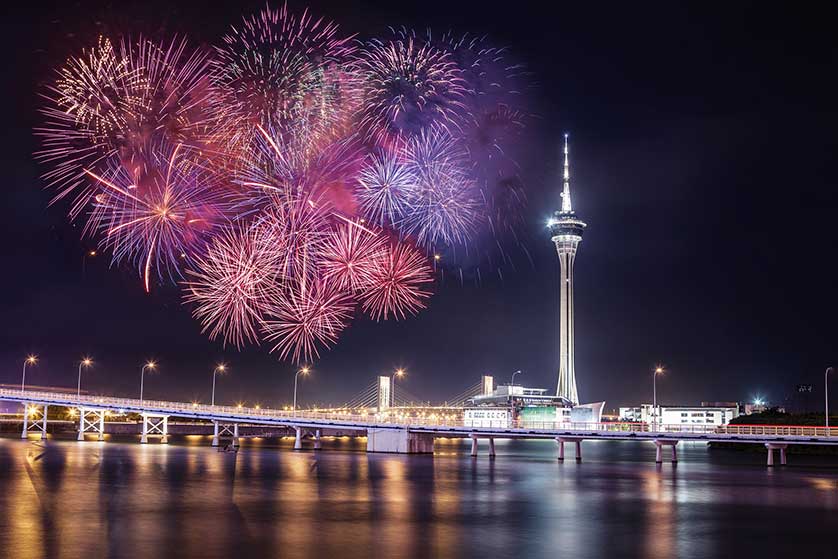
Macau Historic Center (2005)
The historic port of Macau was a Portuguese administered international trading center from the mid-16th century until 1999. The blend of western and traditional Chinese buildings include a fortress and China's oldest lighthouse as well as churches, public buildings and squares. Macau lay at the heart of early East-West trade and cultural and intellectual interaction between Western Europe and China and Japan. The iconic Ruinas de Sao Paulo are an iconic symbol of this cultural exchange, not all of it peaceful.

Potala Palace Lhasa Tibet (2004)
The Potala Palace complex in Lhasa, comprising the Red and White Palaces was the winter palace of the Dalai Lama from the 7th century and symbolizes Tibetan Buddhism in the region.
The listed sites also include the Jokhang Temple monastery and the Norbulingka, the summer palace of the Dalai Lama.
The Potala Palace complex is known for its fascinating integration of the physical structure into the landscape of Tibet and the intricacy and beauty of its traditional Tibetan Buddhist ornamentation.
Read a guide to Lhasa

Imperial Palaces of the Ming & Qing Dynasties in Beijing & Shenyang (1987)
The Forbidden City in Beijing was the center of imperial power in China from 1416-1911.
The nearly 10,000 structures and gardens of The Forbidden City complex bear testimony to the rich cultural heritage of the art and architecture of imperial China during this period with Ming, Qing, Yuan and Manchu influences all in evidence.
The royal palace at Shenyang includes an important library and a complex of 114 buildings constructed between 1625-1783.
Read a guide to The Forbidden City

Ming & Qing Period Imperial Tombs (1997)
The sites include three imperial tombs from the Qing Dynasty at Liaoning and thirteen Ming Dynasty tombs on the slopes of Mount Taishou around 50km outside Beijing.
The tombs are known for the observance of Feng Shui (geomancy) principles in their layout and construction.
Read a guide to the Ming Tombs

Kaiping Diaolou & Villages (2007)
Diaolou are fortified village houses that in the Kaipeng area of Guangdong Province show a mixture of western and Chinese styles of architecture.
The buildings consist of communal towers, residential towers and watchtowers and their western design features were brought back from America to the area by returning Chinese workers. The fortress-like design of the towers is in response to the threat of banditry in the area.
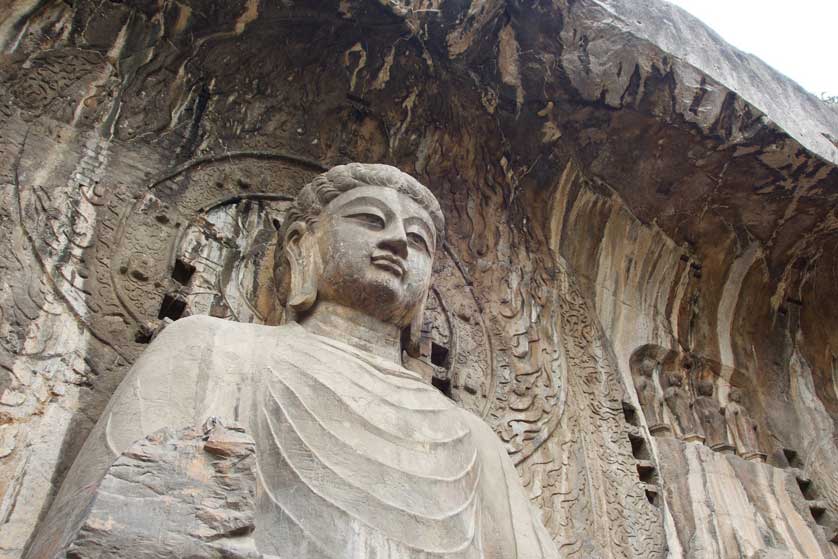
Longmen Grottoes (2000)
The Buddhist stone carvings in the grottoes, caves and niches of Yaoyang City in Henan Province date from the period between 316-907 CE during the Northern Wei and Tang Dynasties.
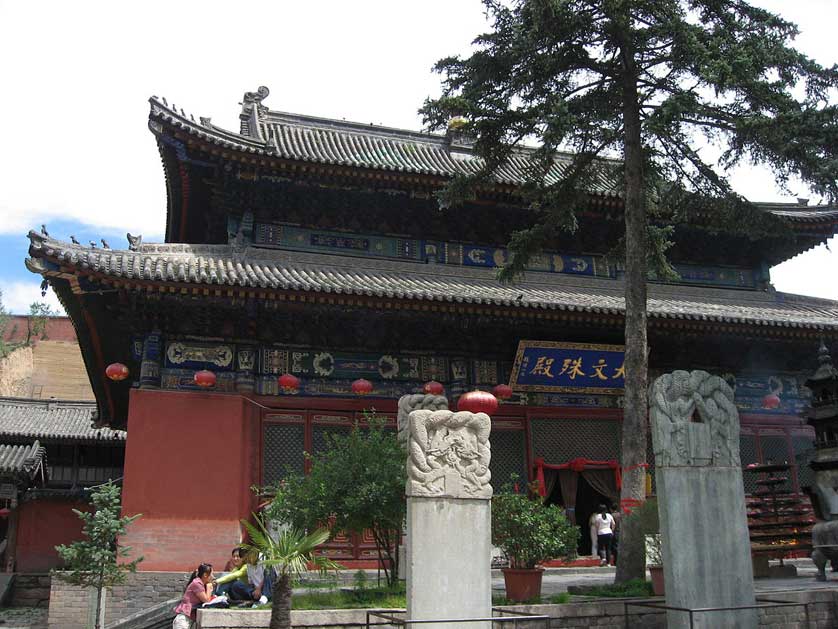
Mount Wutai (2009)
Mount Wutai is a holy Buddhist mountain in Shanxi Province and home to forty-one monasteries including Foguang Temple from the Tang dynasty and the Ming dynasty Shuxiang Temple.
Lushan National Park (1996)
Lushan National Park in Jiangxi Province contains Buddhist, Taoist and Confucianist sites of interest. The mountain slopes provided inspiration to a number of priest, poets and scholars through the ages.

Mount Emei Scenic Area, including Leshan Giant Buddha Scenic Area (1996)
Buddhism was first established in China in Mount Emei, Sichuan Province in the 1st century A.D. The beautiful, mountainous surroundings contain the Giant Buddha of Leshan, carved in the 8th century and the largest Buddha in the world.
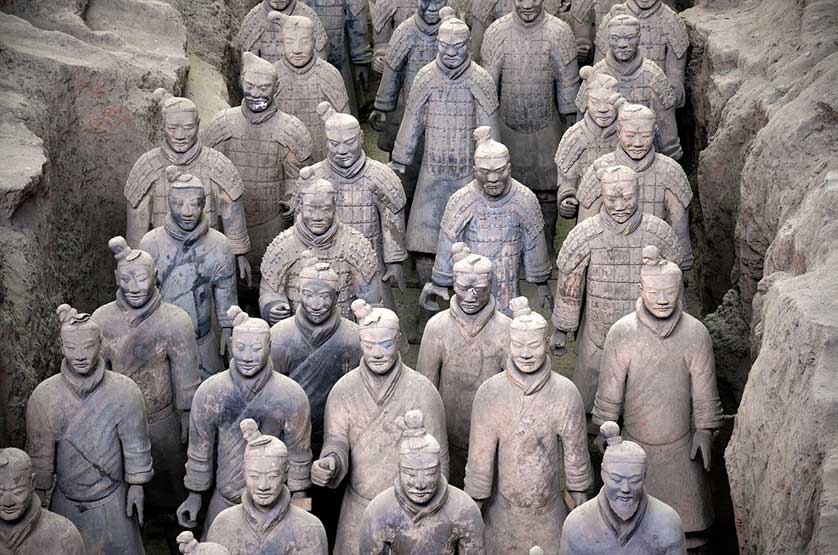
Mausoleum of the First Qin Emperor, Lintong Shaanxi (1987)
The Emperor Qin Shi Huang (d.210 BCE) is buried surrounded by the famous terracotta army of thousands of soldiers to protect the Emperor in the afterlife.
The tomb is just a short journey from the city of Xi'an. The design of each of the 8,000 clay warriors is unique, with each soldier afforded a different hair-style and facial features.
The scale of the complex is also huge and is larger than Egypt's Great Pyramid.
Read a guide to Xian

Mogao Caves (1987)
Buddhist stone carvings and wall paintings in the caves and sanctuaries of Mogao 25 km from Dunhuang in Gansu Province cover over 1,000 years of Buddhist art. The first cave sanctuaries date from 366 CE and number now 492 in all. The site was an important staging post on the Silk Road on the edge of the Taklamakan Desert.
Mount Qingcheng & the Dujiangyan Irrigation System (2000)
Mount Qingcheng in Sichuan Province is known as the birthplace of Taoism and Taoist temples still dot the landscape. The Dujiangyan Irrigation System was begun in the 2nd century BCE but is still in working condition today.

Qing Dynasty Summer Palace (Mountain Resort) Chengde (1994)
The Mountain Resort (Bishu Shanzhuang), the Qing Dynasty Summer Palace was built between 1703 and 1792 in Chengde in Hebei Province.
Also listed are the Eight Outer Temples, a collective name given to 12 temples located near a section of the Great Wall of China, each built according to a different ethnic architectural style.
The largest of the Outer Temples is Putuo Zongcheng Miao (Temple of Potaraka Doctrine), and is modeled after Lhasa's Potala Palace.
Read a guide to Chengde

Lijiang Old Town (1997)
The preserved old town of Lijiang in Yunnan Province in southwest China is an alpine, slightly kitsch maze of narrow cobbled streets, wooden framed buildings, stone bridges and burbling waterways, which make up the town's historic and still functioning water supply system.
The traditional architecture in Lijiang is an eclectic mix of styles from different cultures.
Read a guide to Lijiang in Yunnan Province.
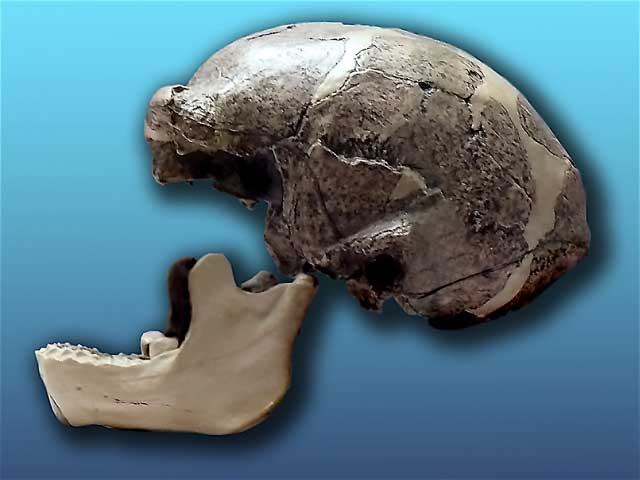
Peking Man Site At Zhoukoudian (1987)
Zhoukoudian is situated 42 km south-west of Beijing and it was here that the remains of Sinanthropus pekinensis (Peking Man) were found in the 1920's. Peking Man dates from the Middle Pleistocene period approximately 250,000-400,000 years ago. Unfortunately the original fossils were lost during World War II.

Summer Palace Beijing (1998)
The Summer Palace and gardens dates from 1750, but was heavily damaged in conflict in 1860 and restored to its former glory in 1888.
Originally Emperor Qianlong built the gardens for his mother, though the restorations were completed by Empress Dowager Cixi.
The Summer Palace is considered a masterpiece of traditional Chinese landscape gardening and combines lakes, pavilions, tea houses, temples and bridges in a harmonious unity.
Read a guide to Summer Palace
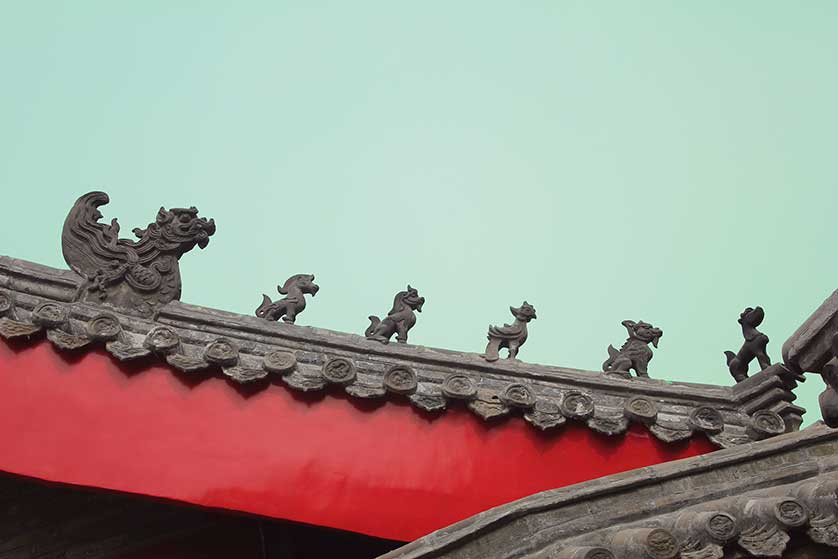
Temple and Cemetery of Confucius and the Kong Family Mansion in Qufu (1994)
Qufu in Shandong Province is the birthplace of Confucius, arguably China's most influential philosopher and educator.
A temple first built in Confucius' honor in 478 BCE and rebuilt over the centuries, Confucius' tomb and that of an estimated 100,000 of his descendants and the great man's family mansion (with 152 buildings) remain to this day, having been cared for by successive regimes.
Read a guide to Qufu in Shandong.
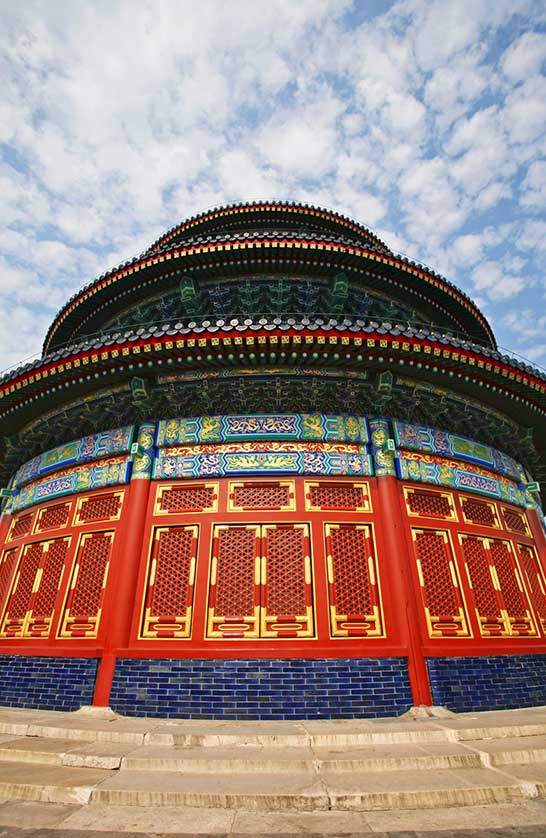
Temple of Heaven Beijing (1998)
The Temple of Heaven (the Hall of Prayer for Good Harvests), perhaps more than any other building in China, symbolizes the relationship between man and god in ancient Chinese thinking, with the role of the Emperor as intermediary between the two.
Built in the early 15th century, Beijing's Temple of Heaven is an iconic structure that has influenced both religious and secular architecture throughout the Far East including Korea, Japan and Thailand.
Read a guide to The Temple of Heaven in Beijing, China's capital.
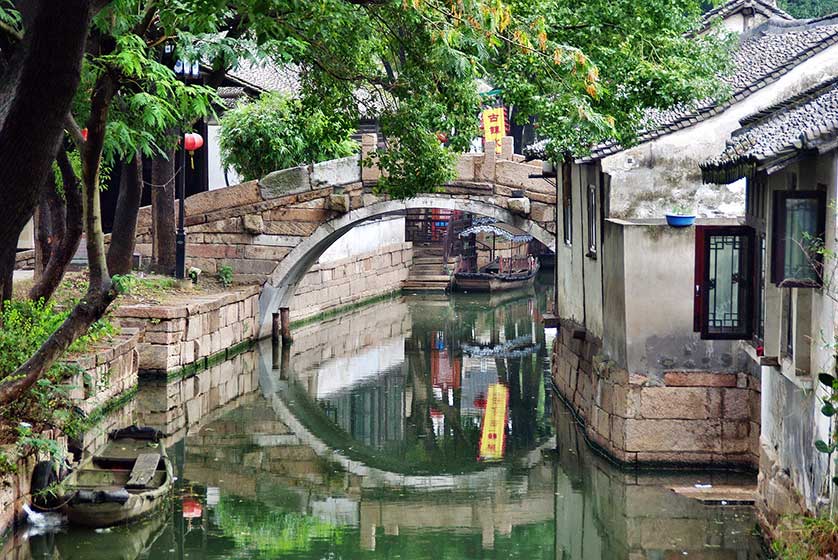
Grand Canal (2014)
The Grand Canal is a huge waterway system, the longest in the world, running south from Beijing to Zhejiang Province. Built in sections, beginning in the 5th century BC, by the 13th century there were over 2,000km of canals in the network. The Grand Canal transported goods and people but mainly rice to the capital. Roads, shaded by trees, ran along either side of the canal which allowed for the development of a postal service along its route. A good place to see a section of the Grand Canal is at Suzhou, close to Shanghai.

Great Wall of China (1998)
Begun in around 220 BCE by the great Emperor Qin Shi Huang, work continued on the huge fortification until the 17th century.
The Great Wall of China stretches East to West from Shanhaiguan on the Yellow Sea to the Gobi Desert's Jiayuguan, a fortress traditionally viewed as the last outpost of civilisation before the barbarian hordes beyond.
Read a guide to The Great Wall of China
Yin Xu (2006)
Yin Xu (Yinxu), 500 km south of Beijing in Henan Province is an archeological site of the Shang Dynasty (1300-1046 BCE) with palaces and tombs yielding the rich history and culture of the Chinese Bronze Age.

Yugang Grottoes (2001)
The Yugang Grottoes (Yungang Shiku) in Datong in Shanxi Province are over 250 caves containing an amazing 50,000 Buddhist sculptures and other Buddhist relics.
This rich legacy of Buddhist cave art dates from the 5th and 6th centuries and demonstrates an harmonious fusion of Buddhism with the prevailing Chinese cultural traditions of their day.
Read a guide to Datong in Shanxi.

Fujian Tulou (2008)
46 circular clan houses built from the 12th to 20th century in Fujian Province, these earthen structures were constructed to house a large number of people, and were designed primarily to supply a defensive habitation for communal living. Many of the interiors are highly decorated and have interior gardens. The buildings themselves are part of the larger, managed environments of which they are an integral part.
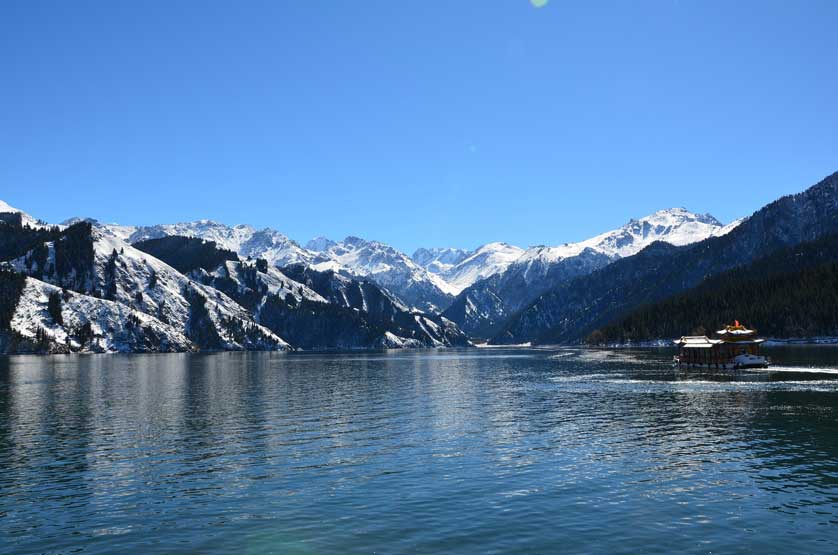
Xinjiang Tianshan (2013)
Tianshan or Tian Shan meaning "Mountains of Heaven" in Xinjiang Province is one of largest mountain ranges in the world with unique geographic features as well as spectacular flora and fauna. Jengish Chokusu is the highest mountain in the Tian Shan mountain range at 7,439 meters (24,406 ft) on the China-Kyrgyzstan border.
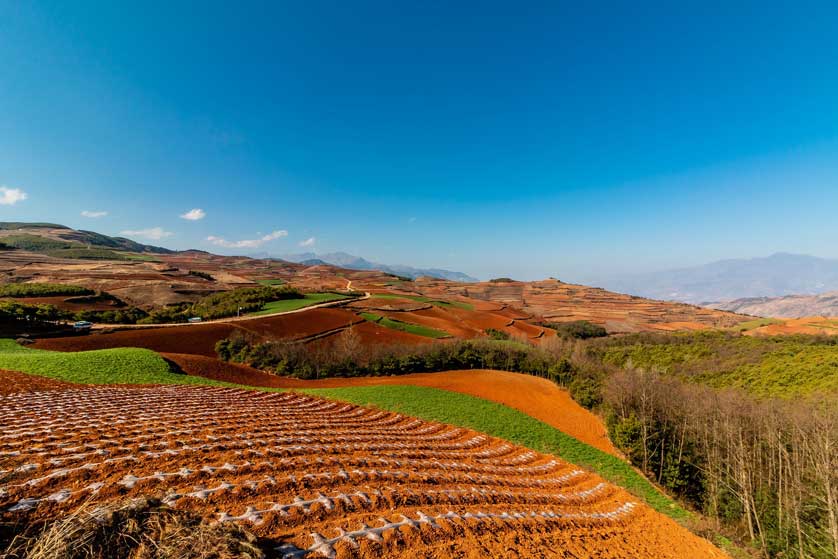
Cultural Landscape of Honghe Hani Rice Terraces (2013)
Honghe Hani Rice Terraces in southern Yunnan Province in south west China dot the slopes of the Ailao Mountains running down to the Hong River.

Cultural Landscape of West Lake (2011)
The West Lake area of Hangzhou is known for its historic gardens, pagodas and temples built on the hills around the lake and on artificial islands within it. Hangzhou was capital of the Southern Song Dynasty from 1127 until the Mongol invasion of 1276.
Read more about Hangzhou
Silk Roads: the Routes Network of Chang'an-Tianshan Corridor (2014)
A 5,000 km section of the vast Silk Road from Xian (Chang'an) to the Zhetysu region of Central Asia. The 33 parts included in the UNESCO listing include Buddhist cave temples, parts of The Great Wall, palaces and tombs.
Zuojiang Huashan Rock Art Cultural Landscape (2016)
Located in Guangxi Province in south west China 38 sites depict ancient rock art from the 5th century BC to the 2nd century AD.
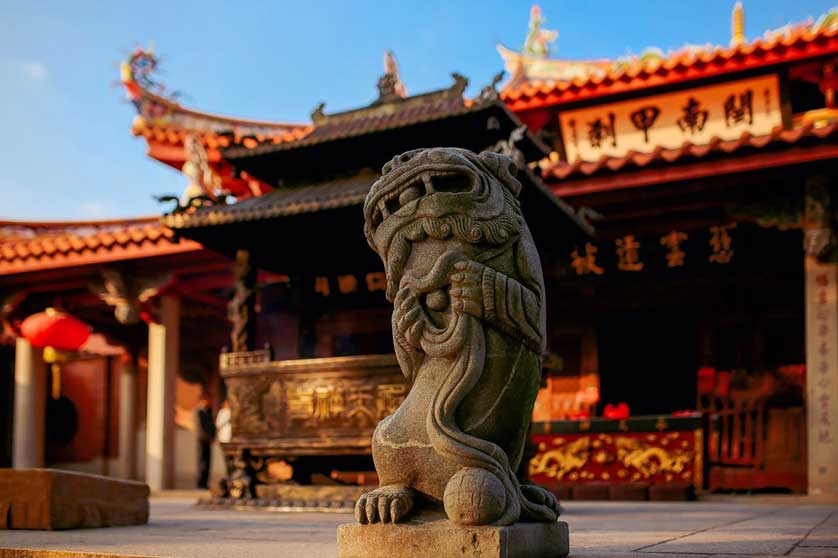
Quanzhou: Emporium of the World in Song-Yuan China (2021)
Quanzhou, 100 km northeast of Xiamen, and once known as Zayton in Arabic, was an important trading center during the 10th to 14th centuries. Sites featured on the listing include Qingjing Mosque, Islamic tombs, and a number of archaeological remains - bridges, docks, and pagodas.
Ancient Tea Plantations of Pu'er (2023)
The Cultural Landscape of Old Tea Forests of Jingmai Mountain in Pu'er, Yunnan Province, southwest China includes five old tea forests and nine traditional villages where cultivation of tea by the Blang and Dai peoples has continued for centuries. Nuogang and Wengji are two of the most traditional villages where Pu'er is cultivated and processed.
Other UNESCO World Heritage Sites
UNESCO World Heritage Sites in Britain
UNESCO World Heritage Sites in Iran
UNESCO World Heritage Sites in South Korea
UNESCO World Heritage Sites in Portugal
UNESCO World Heritage Sites in New Zealand
Book Hotel Accommodation in Beijing China
Book Hotels in Beijing - Booking.com
Find Hotels in Beijing - Agoda
Search Hotels in China - Booking.com
Recommended Hotels in Shanghai China - Agoda
Budget Hotels in Beijing - Booking.com
Best Hotels in Sanlitun - Booking.com
Book Luxury Hotels in Beijing
Beijing Palace Museum Ticket (The Forbidden City)
Mutianyu Great Wall Ticket & Cable Car