Beijing Botanical Gardens

- Located in Beijing's suburbs
- Spring autumn best times to visit
- Opened in 1956
- Cover 200 hectares
- 1.4 million annual visitors
- Perfect for picnics
- Rare plants, conservatory, restaurants, temples
Green Retreat: Get back to nature in Beijing's Botanical Gardens 北京植物园
Daniel Allen
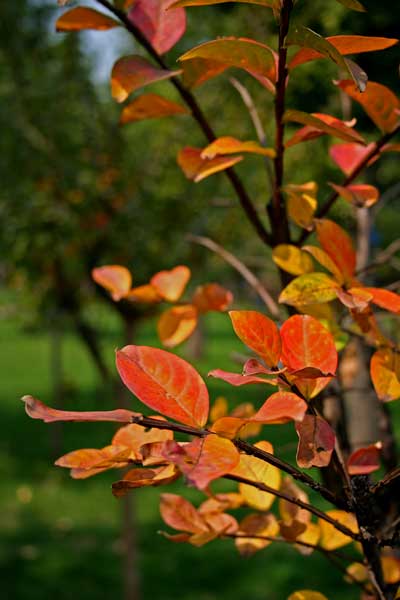
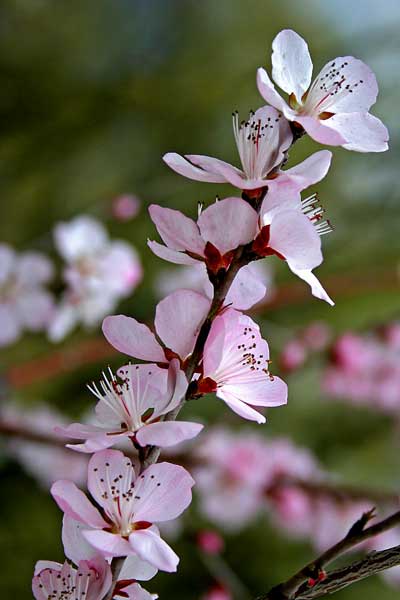
Beijing Botanical Gardens, lying at foot of the West Hill (Xi Shan) in the suburbs of Beijing, are a relaxing, inexpensive place to spend a day away from the hustle and bustle of big city life. The Gardens are particularly spectacular in spring, with their blossom-laden fruit trees, and in autumn, when the vivid reds, greens, browns and golds of the vegetation heralds the approach of winter. Try to avoid weekend visits in spring as the park can get quite crowded with Beijing residents checking out the blossom.

Opened in 1956, 200 hectares of the Botanical Gardens are currently open to the public, including living plant collections, a lake, various historic sites, and a nature reserve. Beautiful displays are made monthly in the main conservatory, bonsai garden, the arboretum and 11 outdoor gardens, and the Gardens receive more than 1.4 million visitors every year from China and overseas.
The Garden grounds are well-signposted - head for the newly-opened visitor centre if you want to buy a cheap English brochure and map (as well as postcards and souvenirs). A map can also be downloaded at the Beijing Botanical Garden website (address below). For specific information you can call the Garden information service (number below), although the English of the staff can be extremely patchy at times.
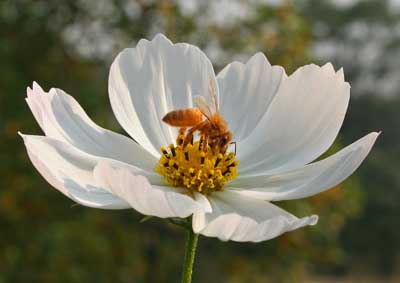
The varied attractions of the Gardens mean that it is worth spending an entire day wandering around (opening times below). Within the grounds are several places to buy snack food, but if you are not a fan of Chinese fast food then it might be a good idea to bring your own. Indeed, there are many suitable areas for undisturbed picnicking. There is also a reasonably-priced restaurant serving Sichuan and Shandong food.
Conservatory
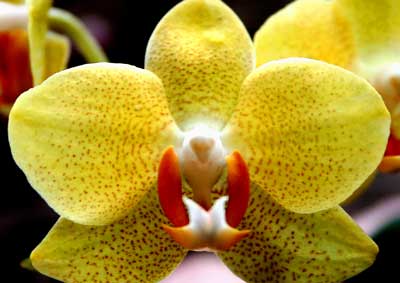
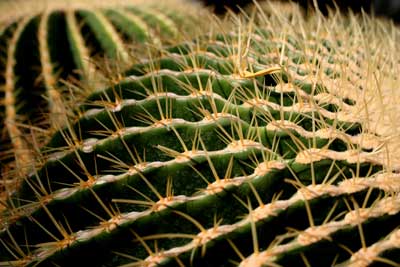
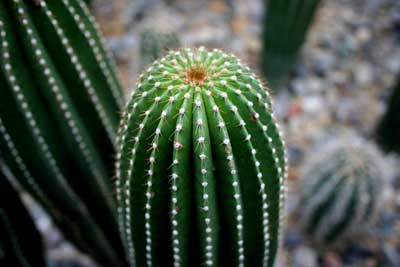
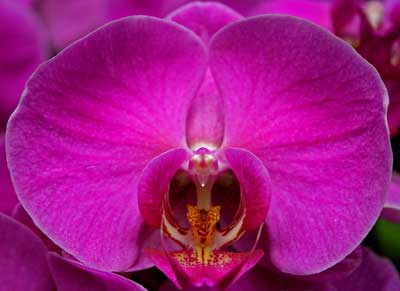
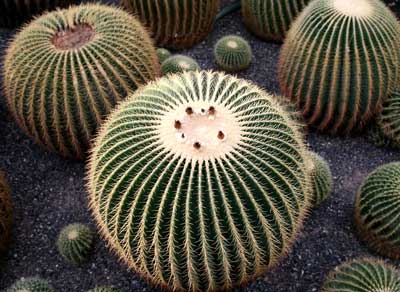
The Garden's main Conservatory, at the time one of the biggest construction projects in Beijing, was built in 1999, and covers an area of 6,500 square meters. 3,000 different plants are grown in the hot and humid conditions, including some spectacular cacti and succulents, and large orchid walls. Although the conservatory costs extra to visit (see prices below), this fee is well worth paying to see the colorful and exotic species on display.
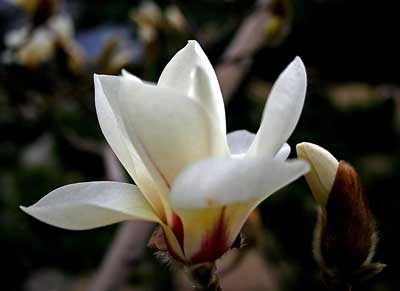
In addition to the Conservatory, there is also a national plant specimen hall which houses rare plants, plant classification laboratories, research rooms and a lecture hall, all arranged around a courtyard linked by ornate arches and trellises. Open air plants in the Garden include specimens of the nepenthes or carnivorous "pitcher" plant, which eats insects; the golden butterfly orchid with shining yellow flowers; the American redwood; the Japanese blossoming cherry, and the famous "botree", the tree under which Buddha apparently sat when he gained enlightenment.
Penjing (Bonsai) Garden
The Penjing (bonsai) Garden is another interesting area worth wandering through. Many bonsai trees from around China are on display, with some over 100 years old. This garden is also home to a tall ginkgo tree which is reputed to be over 1,300 years old. If there are gardeners in this area it's fascinating to watch them pruning and caring for the trees, and if you are a keen botanist, they may even give you a handy tip or two!
Beijing Botanical Gardens also contain many interesting and protected historical sites. The most interesting of these are Temple of the Reclining Buddha (Wofo Si), the Memorial of Cao Xueqin (famous for writing the Chinese literary classic "Story of the Stone"), the Tomb of Liangqichao and the Relic of Longjiao Temple.
Sleeping Buddha Temple Wofo Si
The Sleeping Buddha Temple is located about 15 minutes from the front gate, and is a must-see for Garden visitors. The whole temple complex contains four halls and courtyards with a colored glass screen, a pool and stone bridge in front, with Shouan Mountain forming a picturesque backdrop. Located next to the Temple, Wofo Si Hotel is a nice option for an overnight stay - the hotel's rooms are in traditional courtyard style and there is also a large restaurant and swimming pool.
The temple itself, originally named Dousuai Temple, was built during the Tang Dynasty (618-907). The temple's centrepiece is a huge effigy of Sakyamuni weighing 54 tonnes, which apparently "enslaved 7,000 people" in its casting. On each side of Buddha are sets of huge shoes, gifts to Sakyamuni in case he wanted to go for a walk. Above him are the suitably apt characters "Zizai dade", meaning "great accomplishment comes from being at ease".
Beijing Botanical Gardens Access
Beijing Botanical Garden (Beijing Zhiwuyuan) Wofo Si Lu, Xiang Shan, Haidian District
2 main entrances on Xiangshan Nanlu and Xiangyi Lu
Tel: 6259 1283
E-mail: information[at]beijingbg[dot]com
Website: www.beijingbg.com
Opening Times:
Outdoor gardens
7.00am- 5.00pm
Wofo Si (Sleeping Buddha Temple)
8.30 am- 4.30 pm
Conservatory
8.30 am- 4.30 pm
Entrance Fee:
Garden: Adults 5 RMB
Wofosi: Adults 5 RMB
Combined ticket (Entrance & Conservatory): 50 RMB
Bus: 331, 634, 696, 714, 733, 318, 360
The nearest subway stations to Beijing Botanical Gardens are Beigongmen Station (Exit A) on Line 4 or Pingguoyuan Station on Line 1 (Exit C) from where buses reach the gardens in 15 and 20 minutes respectively. Alternatively take a taxi from either station.

Book Hotel Accommodation in Beijing Here
Book Hotels in Beijing - Booking.com
Find Hotels in Beijing - Agoda
Search Hotels in China - Booking.com
Recommended Hotels in Shanghai China - Agoda
Budget Hotels in Beijing - Booking.com
Best Hotels in Sanlitun - Booking.com
Book Luxury Hotels in Beijing
Beijing Palace Museum Ticket (The Forbidden City)
Mutianyu Great Wall Ticket & Cable Car