Beijing Food
Beijing has an incredible variety of national and international cuisine. Some of these restaurants have spectacular presentation and service. There are over 60,000 eateries to choose from throughout the city.
International dishes can be found in a range of excellent restaurants including Japanese, Korean, Vietnamese, Thai, Indian, French and Italian. There is even a British-style Fish n' Chip shop in Nanluoguxiang hutong.
Chinese options are extensive. Food in China varies with each region and many of these are represented in Beijing.
Chinese Regional Cuisine
The food from China is often divided into seven main cuisines: Shandong, Cantonese, Huaiyang, Sichuan, Hunan, Shanghai and northeastern cuisine.
Shandong cuisine is noted for its hot spices, Cantonese cooking is lightly spiced with lots of vegetables and seafood, Sichuan food can be heavily spiced, using vegetables, bean curd with smoked duck a specialty, Shanghai cuisine from south east China includes lots of seafood and chili, Shandong food includes a variety of sweet and sour dishes, soups and Chinkiang vinegar are central ingredients of Huaiyang cuisine, onions, chilis and garlic are staples of the heavily seasonal Hunan cuisine and preserved foods, especially pickled cabbage, meats and raw vegetables and raw seafood are characteristic of northeastern cuisine which originates in one of China's coldest regions.

Beijing Specialties
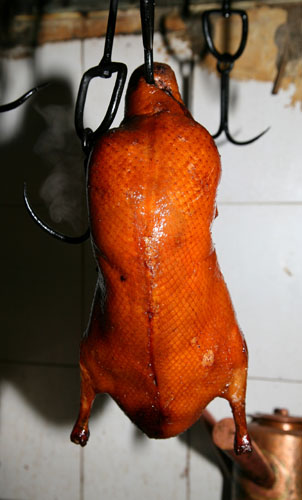
Beijing cuisine offers a number of unique dishes, mostly from the Qing Dynasty. Some the most famous Beijing dishes include: Beijing roast duck (Quanjude and Bianyifang), Imperial Court cuisine (Tan Family Food), Mongolian hotpot and barbecued meat. Beijing also has a range of famous snacks like dumplings, noodles, fermented soybean milk, quick-fried liver, glutinous rice cakes, glutinous millet cakes, candied haws on sticks and clay-fried oven bread. The candied haws and other candied fruits on sticks are usually only available during the cooler and cold months.
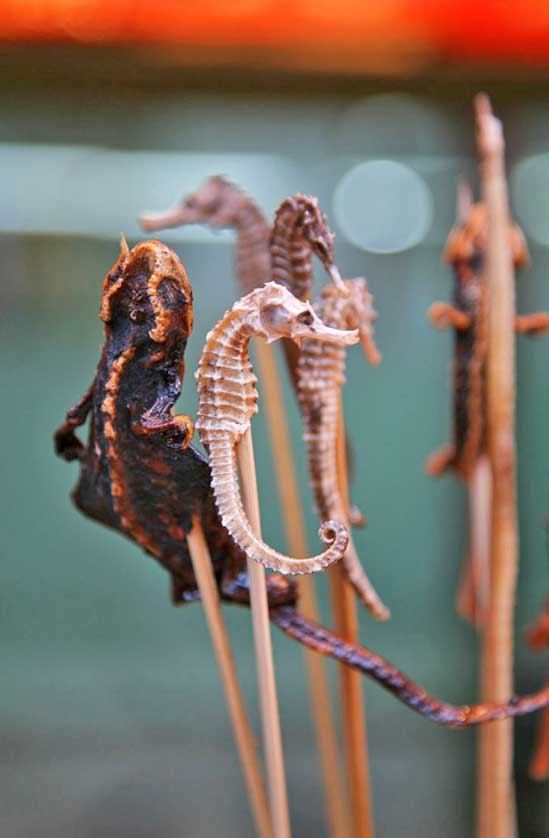
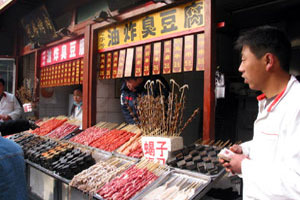
One of the street food snacks well worth trying is Jianbing, an eggy, crunchy Chinese crepe. For those more adventurous palettes there are the scorpion skewers or grills with heart and tripe. Such delicacies can be found just down the alley from Wangfujing shopping mall. When walking toward the Oriental Malls, there is a small alley off to the right near a souvenir and chopstick shop, this alley leads you to a wide range of skewered snacks.
Tea houses are also an important part of Beijing life. Tea houses have provided tea drinkers with many different types of tea and tea ware since the end of the Ming Dynasty. Tea houses do not serve meals. They offer snacks such as dried fruit, cured meals, pickled tidbits and deserts. People chat, smoke, and relax while waiters pour tea from giant metal, clay and porcelain tea pots.
Top 5 Traditional Restaurantss in Beijing
Here are five of the best traditional restaurants in Beijing, celebrated for their authentic flavors and rich history:
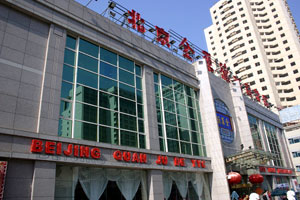
Quanjude Roast Duck (全聚德) Dongcheng District, Beijing, China Founded 1864, iconic Peking duck in historic Qianmen flagship.
Da Dong Roast Duck (大董) Dongcheng District, Beijing, China Modern‐style Peking duck, "SuperLean" crispy method.
Bianyifang (便宜坊) Dongcheng District, Beijing, China Since 1416, the oldest stewed oven Peking duck tradition.
Dong Lai Shun (东来顺) Dongcheng District, Beijing, China Century old halal hotpot specializing in mutton shabu shabu.
Baodu Feng (爆肚冯) Xicheng District, Beijing, China Traditional quick boiled tripe and Beijing offal snacks (since 1881).
Related Articles on Eating in Beijing
More Beijing Restaurants
Beijing Vegetarian Restaurants
Beijing Restaurant Reviews
Book Hotels in Beijing - Booking.com
Find Hotels in Beijing - Agoda
Search Hotels in China - Booking.com
Recommended Hotels in Shanghai China - Agoda
Budget Hotels in Beijing - Booking.com
Best Hotels in Sanlitun - Booking.com
Book Luxury Hotels in Beijing
Beijing Palace Museum Ticket (The Forbidden City)
Mutianyu Great Wall Ticket & Cable Car