Beijing Culture: Beijing Ways Of Doing Things
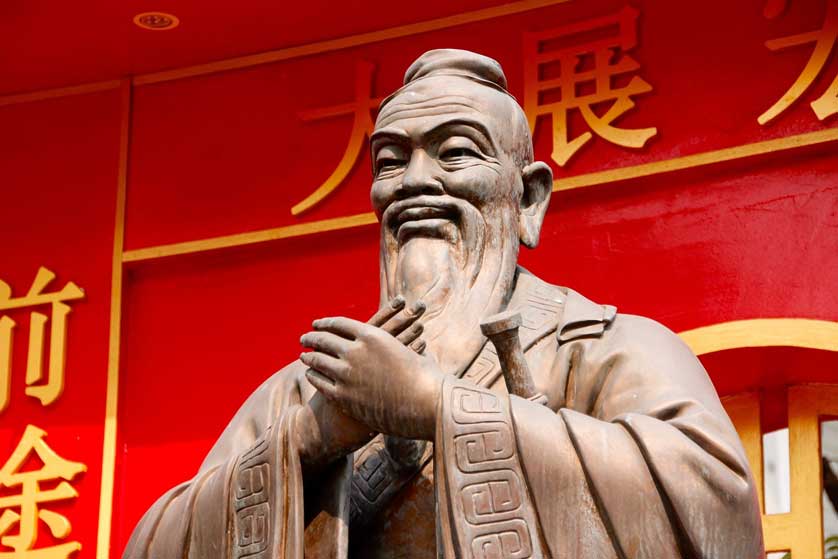
China is one of the oldest civilisations on earth. It has a way of doing things that is very different to other parts of the globe. Take a look at different areas of Chinese culture and find out how to interact within this culture.
We have information on everything from Chinese architecture, food, Halloween, Kung Fu, through opera, language, and Tibetan tea to Tai-chi and marriage in modern China.
Find Beijing and China cultural information on Anna May Wong, Ditan Book Fair, Bicycle Theft, Chinese Weddings, Pecha Kucha, Silk, Shadow Puppets, Coffee, Halloween and Christmas in Beijing.
If you have an article on Chinese culture you would like to submit, please contact us.
Expat Culture Articles
Read some humourous pieces on being an expat in China - dealing with culture shock, Chinese girlfriends AND their parents, getting married, Chinese people's English names, and the frustrations of living 1000s of miles from home.

Architecture
From the country that gave us the Great Wall and Forbidden City comes a new wave of definitive architecture for the twenty-first century.
While China's current construction boom may be consuming most of the world's steel, it's also creating an urban stage for some of today's boldest building designers to showcase their creativity.
Overlooking monuments to China's dynastic past are a growing crop of modern architectural wonders that embody the Middle Kingdom's rising fortunes.
Innovative architecture has been sprouting up all across China, but Beijing and Shanghai are the twin epicenters of the construction revolution.
Although Beijing's massive cosmetic construction effort has received mixed reviews, it's hard not to get swept up in the new building fever sweeping the city.
Chinese Food
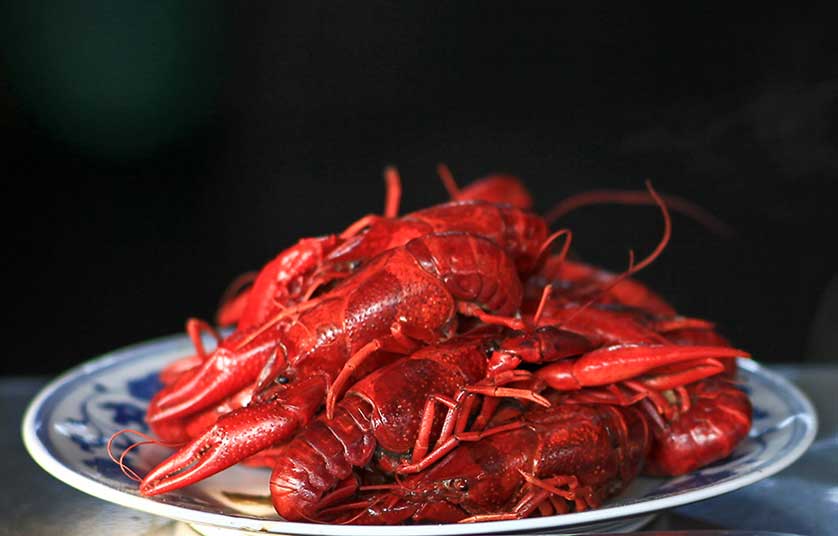
Chinese food has incredible variety. Find articles on Beijing's best restaurants, read reviews, and see images of Chinese food.
Seek out vegetarian restaurants in Beijing, haute cuisine, as well as recommended cafes and bars.
Nanjing and Sichuan cuisine are both covered in depth along with Xiamen in Fujian Province and Chongqing hotpot.
In the capital don't miss Wafujing Snack Street and a drop of Shaoxing rice wine.
Chinese New Year
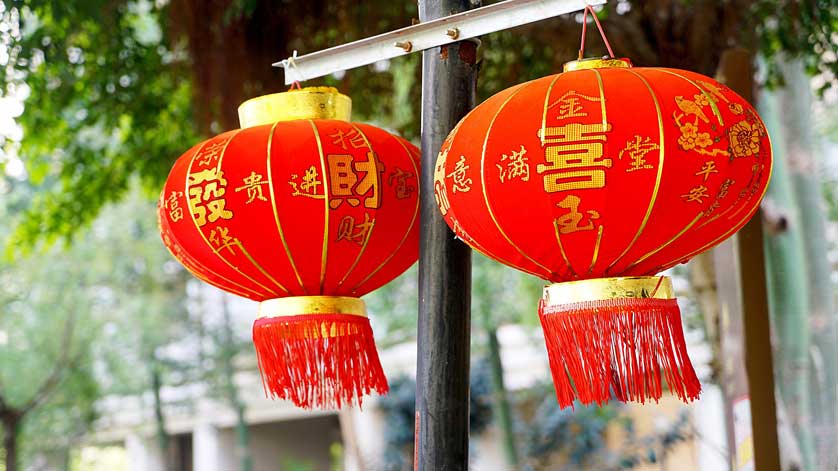
The Chinese New Year Festival is the most important and widely celebrated festival on the lunar calendar. People congratulate each other for passing through another year.
It is a tradition in China for people to return to their homes and spend time with family with the first three days of the New Year being official public holidays.
People are excited in anticipation of "turning over a new leaf" as a new year begins.
On the first day of the first moon on the lunar calendar workers all over China like to return to their home towns to visit family and friends. Everyone makes a big effort to be with their family which usually involves a lot of travel for millions of people.
Just before Chinese New Year is the busiest time for travel in China. The family gathering for dinner at this time of year is the most important date on the calendar.

Kung Fu
The world famous Shaolin kung fu style, tied to the Buddhist Shaolin Temple in Henan Province's Song Shan Mountains, today refers to a collection of Chinese martial arts. Of the tens of thousands of kung fu styles, several hundred do, in fact, have some relationship to Shaolin - however, aside from a few very well known systems, such as the Shaolin Five Animal, 108 Movements of the Wooden Man Hall, Enchanted Staff, and White Eyebrow, it is almost impossible to establish a verifiable connection to the Temple for any one particular style.
Shaolin Temple itself has a venerable history. According to one of China's oldest administrative books, a Buddhist monk name Batuo came to China preach in 464 CE Thirty-one years later, in 495 CE, Shaolin Temple was built by order of Emperor Wei Xiao Wen (471-500 CE) for him to teach from. Batuo can therefore be considered the first chief monk of Shaolin Temple, although there is no record of how or when he died, or exactly what he preached.

Tai-Chi
One should not stay still too long, nor should one exhaust oneself by trying to perform impossible tasks. One should learn how to exercise from nature by observing the fact that flowing water never stagnates and a busy door with active hinges never rusts or rots. Why? Because they exercise themselves perpetually and are almost always moving. (Sun Simiao [Sun Ssu-mo] AD 581-682)
Thousands of mostly older people begin their day with a session of taichi (taijiquan) or qigong (exercise to channel qi or energy) in Beijing's parks and other open spaces.
taijiquan - which can translate as "boundless fist" or "supreme ultimate fist" is a soft-style martial art, with obscure historical roots, which became more formalized and widely practicised in 19th century China.
Peking Opera
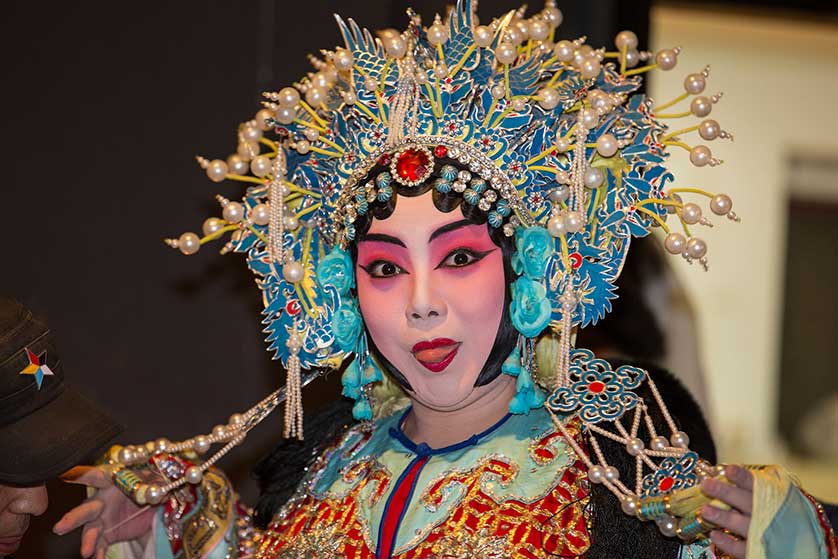
Watching an authentic Peking Opera is an opportunity few people get to enjoy. It is an iconic art from that most people know by name, but have never seen.
Peking Opera is more than just music and singing; it combines drama, dancing, martial arts and acrobatics, making it one of the most multi-faceted theatrical art forms in the world.
In 2010 Peking Opera was declared an Intangible Cultural Heritage of Humanity by UNESCO.