Leal Senado (IAM Building), Macau 市政署大樓, 澳门
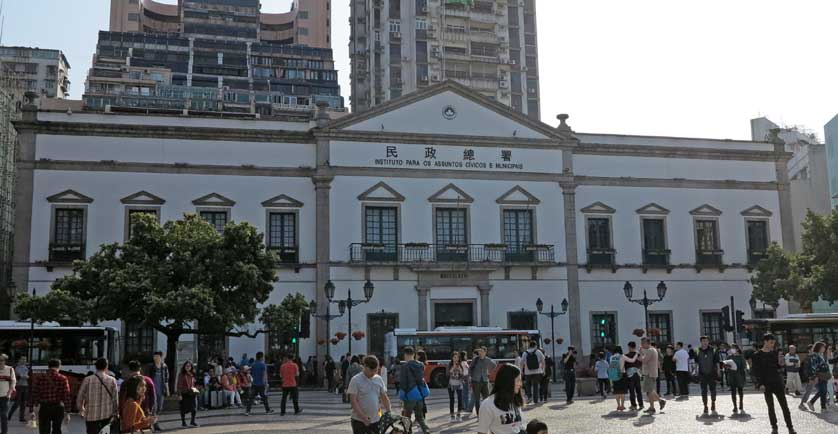
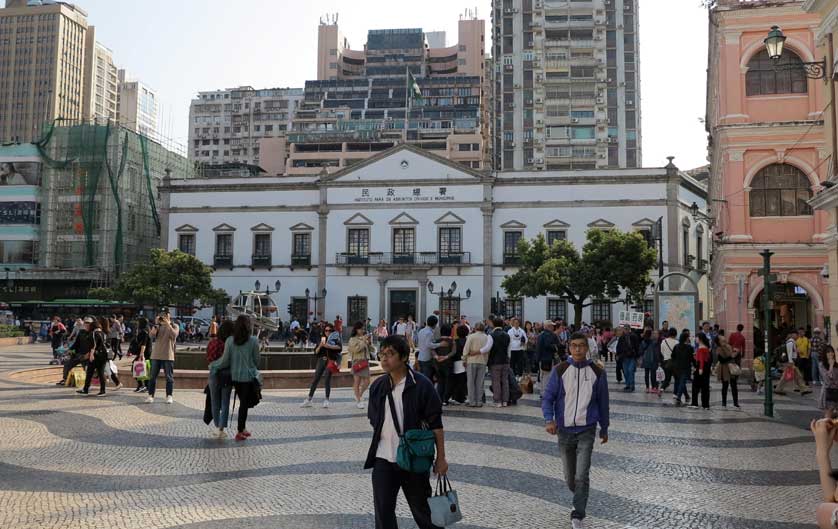
The Leal Senado in Senado Square in Macau now houses Macau's Municipal Affairs Bureau. It served for centuries as the seat of Macau’s municipal government during Portuguese rule and forms part of the UNESCO-listed Historic Centre of the city.
History
The name "Leal Senado" means "Loyal Senate." The title 'Leal' was granted to Macau in 1654 by Portugal's King John IV of Portugal after the city remained loyal to Portugal during the period when Portugal was under Spanish rule (1580-1640).
A later monarch, King John VI, granted the council the additional title of 'Senado'. Until then, this designation had been reserved for the councils of only a few major cities in mainland Portugal and its colonies, giving the institution greater prestige.
The original municipal council building on the site dates back to the late 16th century. It functioned as the headquarters of the city's senate, where Portuguese administrators governed the settlement and coordinated relations with the local Chinese community. The council oversaw trade regulation, civic administration, and public works, making the building a central hub of political life in Macau.
The Macau council oversaw the leasing of land, collected taxes, set sale prices, licensed street vendors, maintained roads, ensured fountains were kept in working order, and issued building permits. It was also responsible for maintaining public order and organizing religious processions, including the important annual Corpus Christi procession.
The structure was rebuilt and renovated several times over the centuries, with its current form largely dating from the 18th century. After the end of Portuguese administration in 1999, the building continued to serve municipal functions and remains an important civic institution today.
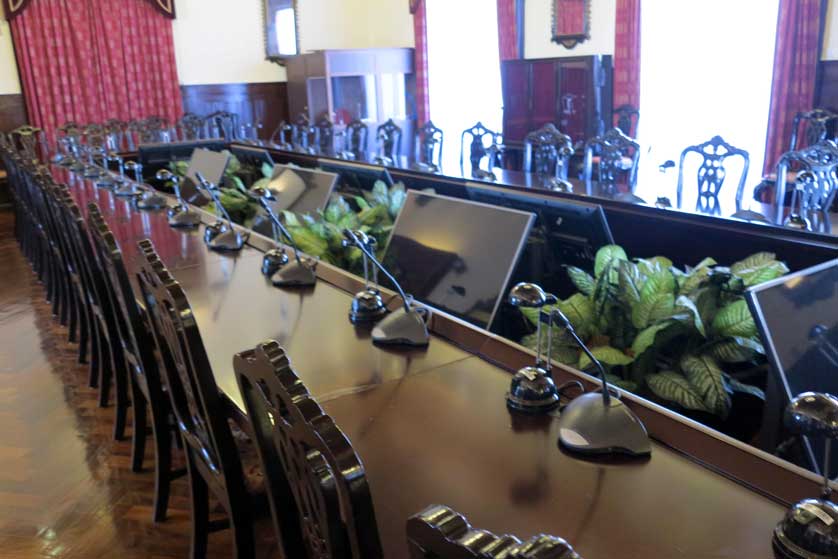
Architecture and Design
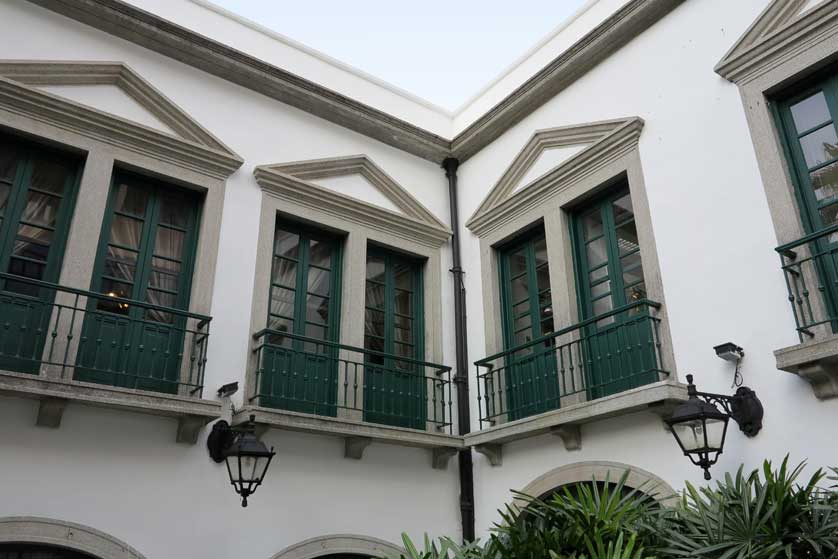
The Leal Senado Building is a fine example of Portuguese colonial architecture. The front of the building has symmetrical proportions, green shutters, and elegant arches typical of Portuguese civic architecture.
A covered walkway with arches provides shade and connects visually with the surrounding buildings of Senado Square.
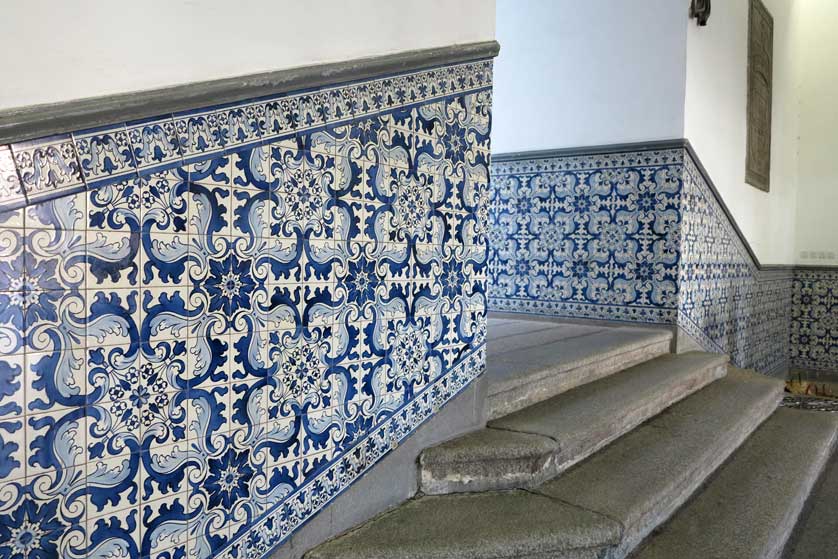
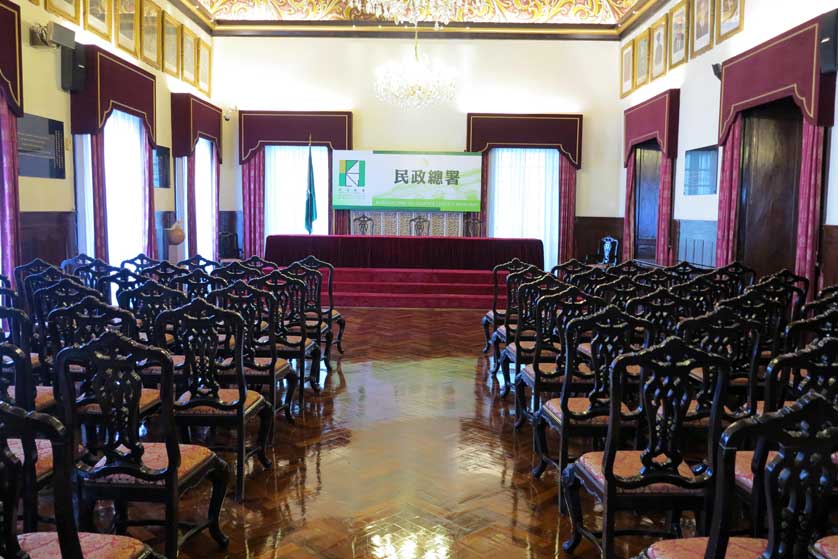
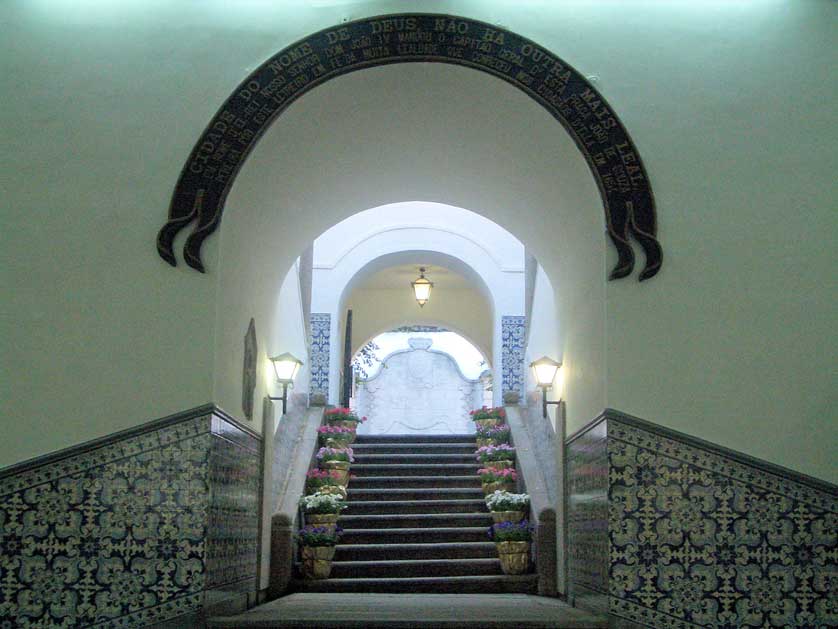
Inside, the first floor has a gallery which hosts exhibitions on regular occasions throughout the year. Some of the interior walls of the Leal Senado are decorated with blue and white azulejo tiles depicting historical scenes and maritime motifs.
A public library, opened in 1929, is located on the first floor. Its design was inspired by the library of the Mafra Convent in Portugal and is decorated in classical style. The library holds around 18,500 books and specializes in foreign-language works dating from the 17th century to the 1950s, particularly those related to Portuguese history in Africa and the Far East.
The Garden
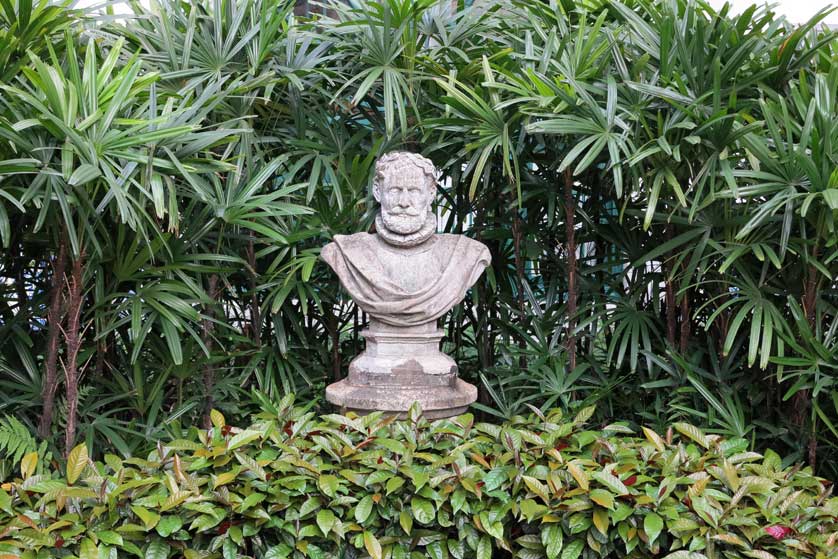
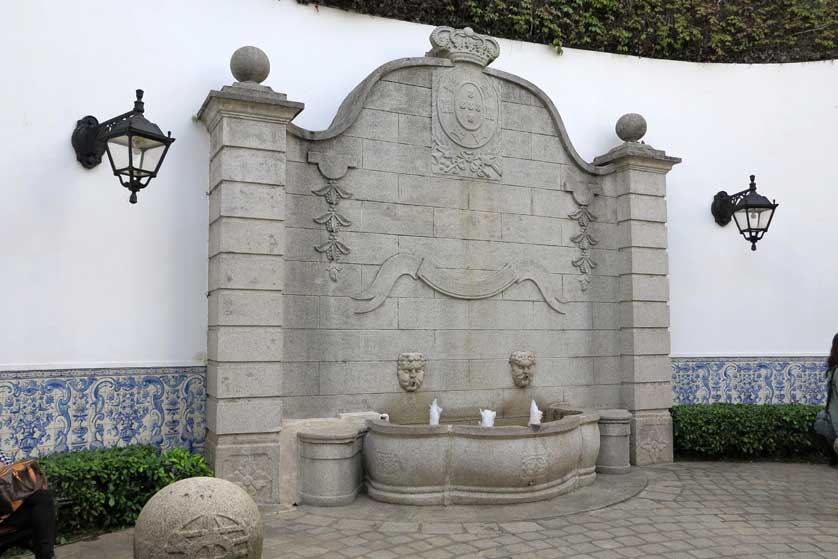
The pretty courtyard garden contains a bust of the Portuguese poet Luís de Camões, author of the epic poem Os Lusíadas, a fountain as well as stone benches and shaded walkways.
Address & Information
No. 163 Av. Almeida Ribeiro (San Ma Lo).
The building is open to the public 9 am to 9 pm.
The following buses 2, 5, 7, 8, 9, 9A, 12, 16, 22, or 25 all stop close to Senado Square.
Other attractions in Macau include the historic A Ma Temple which gives its name to the city, Guia Fortress and Lighthouse, the Sun Yat Sen Memorial House, Macau Museum (Macao Museum), The Ruins of St Paul's, Tap Seac Gallery and the interesting Macau Maritime Museum.
Macau Essentials
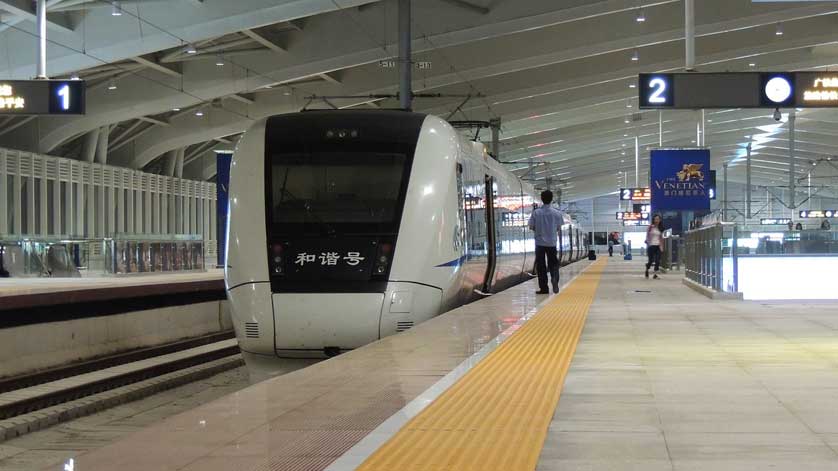
Traveling to Macau is convenient from cities across China and the wider Asian region by air, rail, and ferry. By air, travelers can fly directly to Macau International Airport, which offers connections to major hubs in Japan, South Korea, Thailand, and mainland Chinese cities.
Rail passengers typically travel via high-speed train to Zhuhai Railway Station in neighboring Zhuhai, then cross the border into Macau through the Portas do Cerco or the Hong Kong-Zhuhai-Macau Bridge.
Alternatively, high-speed ferries connect Macau with nearby coastal cities, especially Hong Kong and Shenzhen, arriving at terminals such as Macau Outer Harbour Ferry Terminal and Taipa Ferry Terminal, making sea travel one of the most popular and scenic ways to reach the city.
Accommodation in Macau
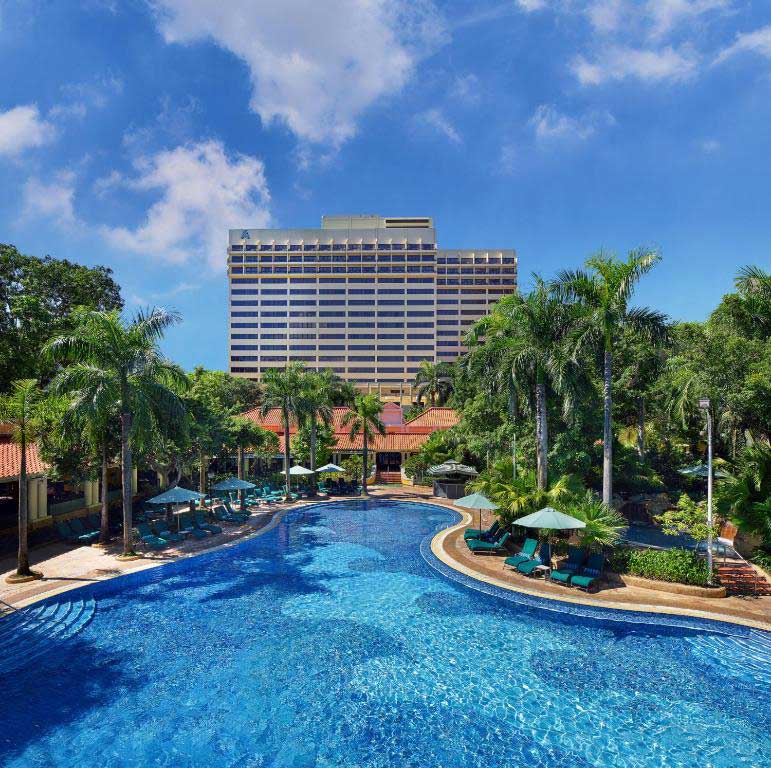
Some of the most famous luxury hotels in Macau combine world-class accommodation with entertainment, shopping, and casino resorts. Some recommendations for luxury accommodation in Macau include the Artyzen Grand Lapa Macau which is located directly next to Fisherman's Wharf and the Sands Hotel.
The Wynn Palace is an incredible and vast structure, not only does the interior mimic the exterior in term of glamour and opulence, the hotel boasts an incredible water show and its own cable car system.
The Venetian Macao is one of the largest hotels in Asia, featuring around 3,000 suites and a vast shopping and entertainment complex inspired by Venice.
The architecturally striking City of Dreams - Morpheus, designed by Zaha Hadid (also architect of the nearby Zhuhai Opera House in Zhuhai), stands out for its futuristic design and high-end facilities. Another major resort is MGM Cotai, which offers luxury rooms, theaters, restaurants, and extensive art displays.
For travelers seeking a quieter five-star experience without a casino, Mandarin Oriental Macau provides refined accommodation overlooking Nam Van Lake and the harbor. Together, these hotels represent some of the top hospitality experiences in the city.
Book hotels in Macau & Hong Kong - Macau has some of Asia's most opulent hotels.
Map of Macau
Book Hotel Accommodation in Hong Kong & Macau
Book Hotels in Hong Kong - Booking.com
Hotels in Hong Kong - Agoda
Find Hotels in Kowloon - Booking.com
Peninsula Hotel Hong Kong
Search Hotels in Macau - Booking.com
Venetian Macau Resort Hotel
Budget Hotels in Hong Kong - Booking.com
Travel Books on Macau & China