Handy in Nanjing
Dedicated artisans keep traditional craftsmanship alive in the former Chinese capital.
Daniel Allen
With a history that goes back millennia, Nanjing has been capital of China on no less than ten occasions - the last time was in 1937.
Yet its reputation for fine craftsmanship goes back way further than the twentieth century. This is a place that has always been renowned for products such as satins, velvets and brocades.
Today, despite its fast-paced industrial development, Nanjing's guild of master craftsmen still take pride in their work and contribute to the city's fascinating cultural heritage.

Beautiful Brocade
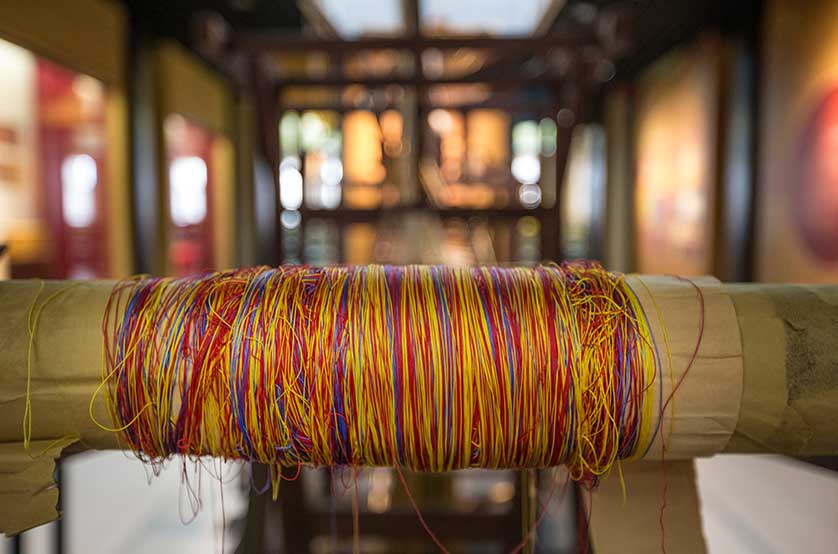
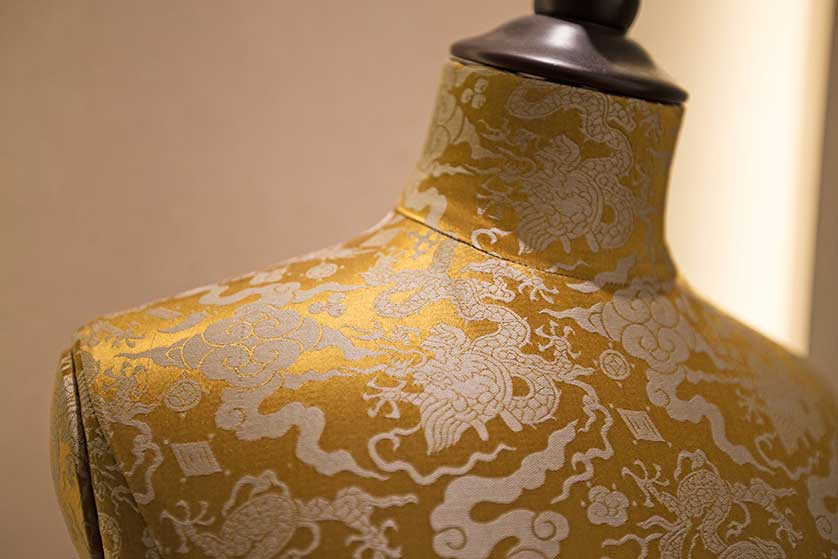
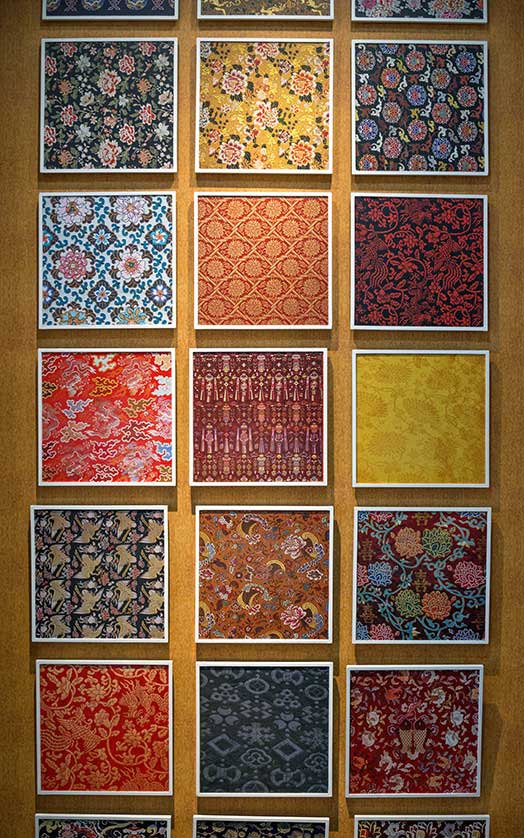
Nanjing's silk brocade is known as yunjin, meaning "beautiful as clouds at sunset".
Dating back more than 1500 years, it was once used for imperial garments - besides silk it incorporated other fine materials such as gold and peacock feather yarn.
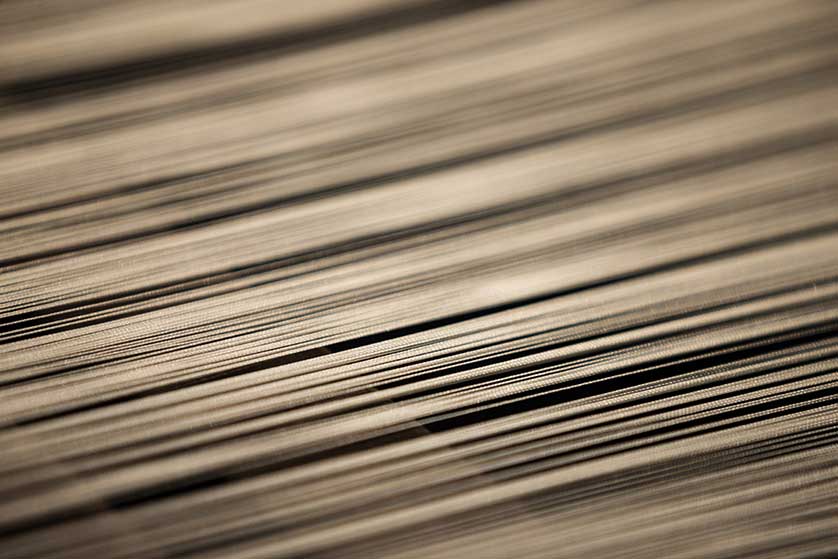
Today it is still used to make refined clothing and souvenirs. The brocade is traditionally made with a loom operated by two people, who produce only a few centimetres of this prized material every day.
Yunjin was added to UNESCO's Intangible Cultural Heritage of Humanity list in 2009.
Cutting Edge Creation
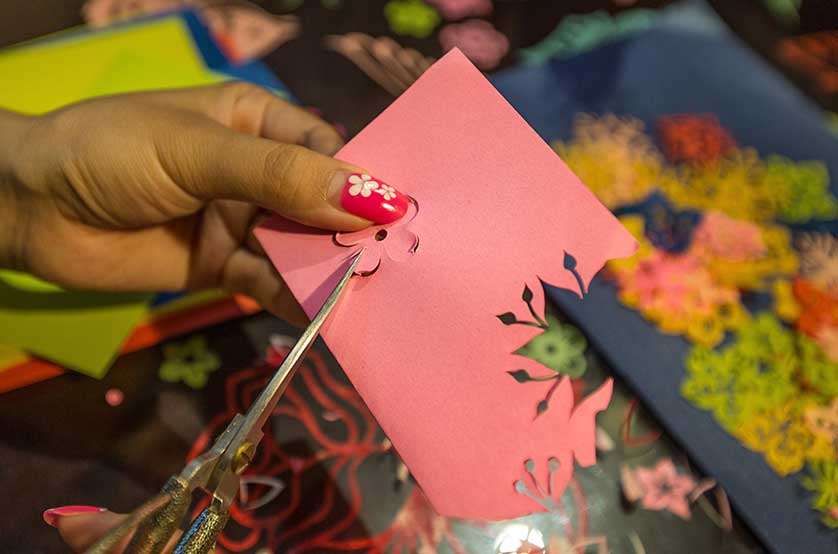
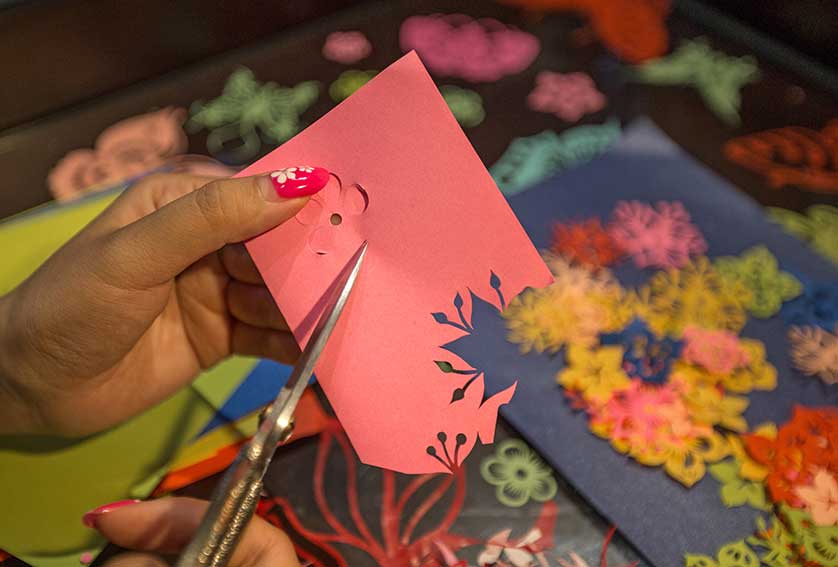
A custom practiced by various ethnic groups in China, the art of paper cutting (or jianzhi) dates back over 600 years in Nanjing, where it is renowned for its intricacy and curves.
Jianzhi artisans create their masterpieces from memory using a single piece of paper - there are no sketches involved.
In the past they were hired to create unique patterns for weddings, while today paper-cut artwork is mainly sold as souvenirs and home decorations for public celebrations. Paper cutting was also added to the UNESCO Intangible Cultural Heritage of Humanity list in 2009.

Blooming Marvellous
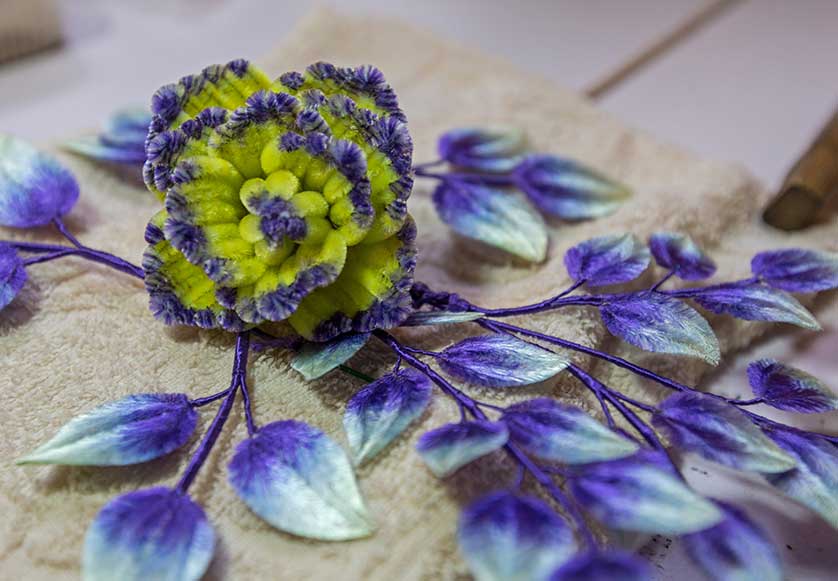
Velvet has been manufactured and crafted in Nanjing for centuries, and it has long been used in tapestry, cushions, rugs, clothing and upholstery.
The city is famous for the art of ronghua (velvet flower making), which dates all the way back to the Tang Dynasty (618-907 CE) and developed thanks to the supply of silk left over from the local yunjin (brocade) industry.
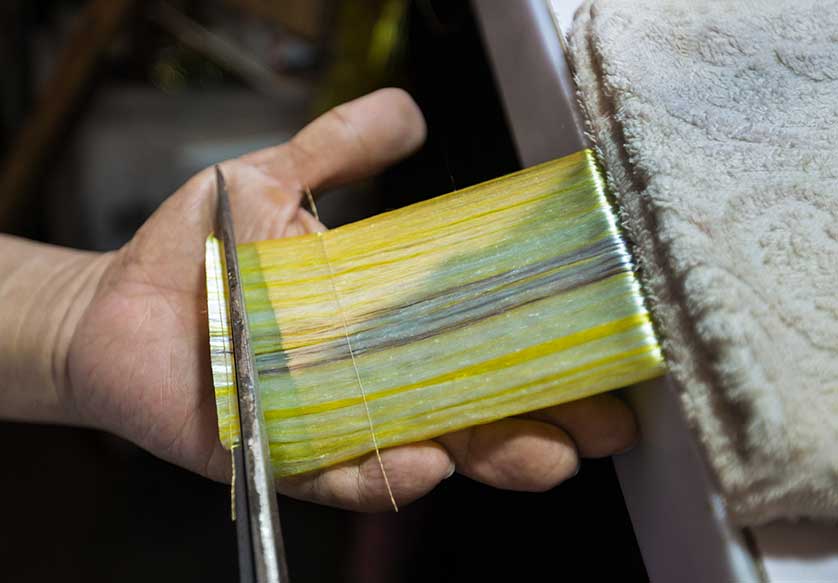
To make velvet flowers, silk is first softened through boiling and then dyed. After that it is rolled onto thin copper wires, which are then twisted into shape. Based in the Nanjing Folk Custom Museum, veteran artisan Zhao Shuxian is one of the few people still making ronghua in the city today.

Masters at Work

Nanjing Folk Custom Museum
This fascinating, labyrinthine museum was the former residence of Ganxi, a famous scholar of the Qing Dynasty (1636-1911).
Sprawling across 10,000 square metres, the 300-room structure is the best place in Nanjing to see both paper cutters and velvet flower makers at work (visitors can pay a small fee and learn the techniques themselves).
There are also other traditional handicrafts on display, such as Chinese puppet shoes and clay figurines.
15 Nanputing, Zhongshan Nanlu, Baixia District, Nanjing
Nanjing Brocade Museum
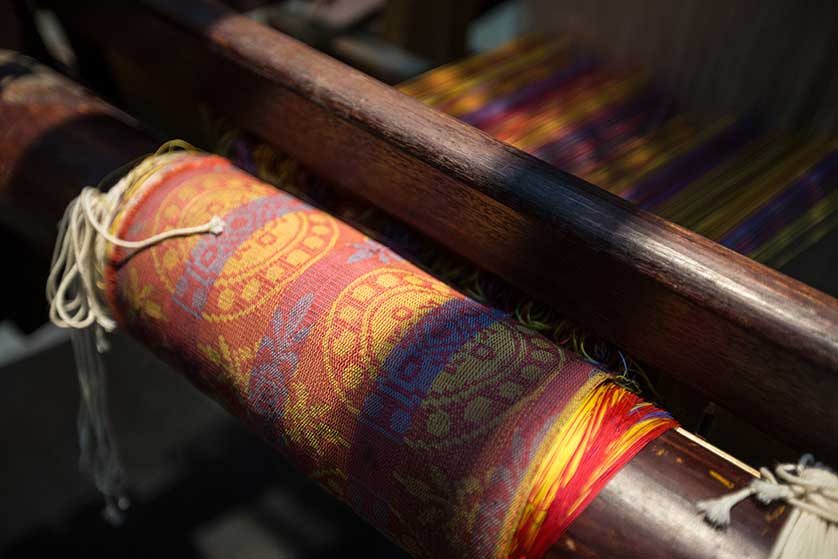
The first brocade museum established in China, this is a great place to learn about the art of yunjin.
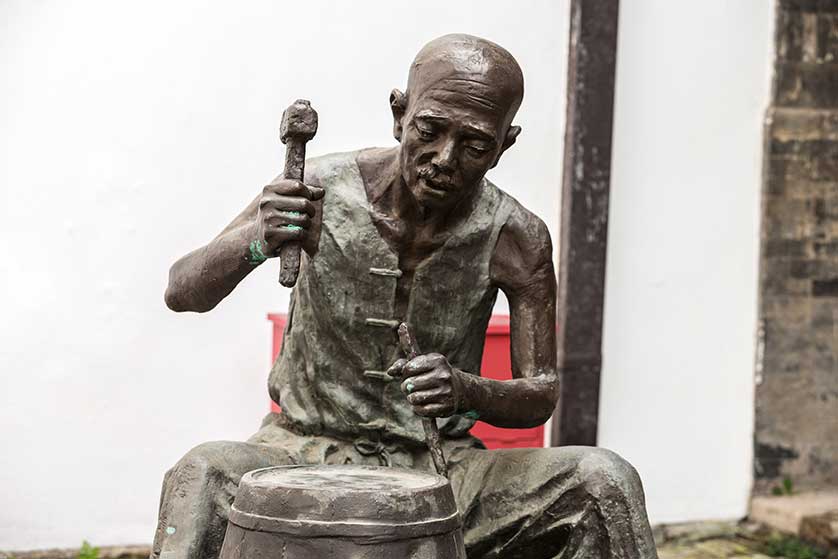
Upstairs there is an active workshop where artisans still produce brocade on traditional wooden looms - only by watching them at work do you get a real appreciation of the thousands of hours that go into producing every centimetre of fine silk.
Some of China's most beautiful examples of silk brocade are on display, and there is also a gift shop and small runway which regularly hosts fashion shows.
240 Chating Dongjie, Jianye District, Nanjing
Related
Book Hotel Accommodation in China
Book Hotels in Beijing - Booking.com
Find Hotels in Beijing - Agoda
Search Hotels in China - Booking.com
Recommended Hotels in Shanghai China - Agoda
Budget Hotels in Beijing - Booking.com
Best Hotels in Sanlitun - Booking.com
Book Luxury Hotels in Beijing
Beijing Palace Museum Ticket (The Forbidden City)
Mutianyu Great Wall Ticket & Cable Car