Mao's Mountain: Moganshan's idyllic charms, which once enchanted China's all-powerful leader, make it the perfect Shanghai getaway
Daniel Allen


Green Retreat
From the 700-metre summit of Mount Ta (Ta Shan) the sinuous foothills of Moganshan National Park stretch toward the horizon in a sea of velvety green. The tranquility of dawn is punctuated by the sound of bamboo cutters on the slopes below and the occasional rooster crow. It's hard to believe this bucolic vantage point is only a two-hour drive from the urban sprawl of Shanghai, China's most populous city.
An oasis of cool and calm, Moganshan's 43 square kilometres offer welcome respite from Shanghai's sweltering summer heat (although they boast an all-year-round appeal). Also accessible from the more southerly city of Hangzhou, today the park is becoming an increasingly popular weekend destination for Chinese and international tourists alike.
Yet those visiting Moganshan for the first time today soon discover they aren't exactly pioneers. Once frequented by such political heavyweights as Mao Zedong, Chiang Kai-shek and Zhou Enlai, not to mention gangsters, missionaries and Shanghai's colonial elites, this is a place with a background as long and colourful as the local sunsets.
"The history of Moganshan is like Chinese history in microcosm," says local guide Feng Zhu. "First the foreigners came, then the nationalists, and then the Communists. Today it's everyone with the time and money."
A Storied Past
The first foreigners to "discover" Moganshan were botanists and birdwatchers who arrived in the mid-nineteenth century on the hunt for exotic new species.
Back then Shanghai was a relatively modest city, with mosquito-infested waterways and a dire need for air conditioning. Soon Shanghai-based foreign missionaries and their families were building summer villas across the area as they looked to take advantage of its agreeable climate and disease-free airs.
By the 1930's more than 150 Western-style stone houses dotted Moganshan's bamboo-clad slopes, together with a swimming pool, seven tennis courts, two churches and even a castle.
Some were occupied by Chinese bon viveurs - even Kuomintang leader Chiang Kai-shek honeymooned here with his beautiful new wife Soong Mei-ling in 1927. Less desirable elements included the notorious mob boss "Big Ears" Du, who ran Shanghai's opium trade with ruthless efficiency.
"Moganshan became a cosmopolitan playground for the good, the rich, the famous and the infamous," says Feng Zhu. "You had political leaders and European entrepreneurs rubbing shoulders with notorious gangsters and Catholic priests."
The tennis tournaments and decadent cocktail parties ended abruptly when the Chinese Communists came to power in 1949 and evicted all foreigners. Five years after his victory Mao Zedong came to Moganshan, where he installed himself in a stone villa deep in the forest. Taking advantage of the peace and solitude, it was here he penned China's new socialist constitution.
"Moganshan was taken over by the military," says Zhu. "It became a secret hideaway, with tunnels and air-raid shelters for the da tudou ("big potatoes" or party elite). The place kind of slipped off the radar."


Born Again Backwater
Today, after years of obscurity, Moganshan's star is slowly on the rise once again. No longer off limits, the area is gradually becoming the destination of choice for Shanghai's increasingly moneyed, discerning and environmentally conscious residents.
More than 100 Moganshan villas still survive. A growing number now house a new generation of chic boutique hotels and lodges, while other resorts have been tastefully crafted from stone, wood and other sustainable materials.


naked Stables
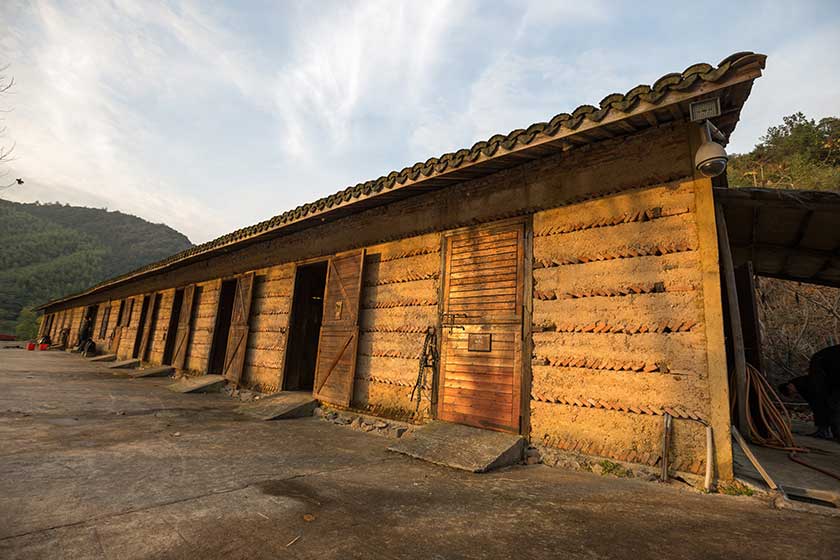
A leading example is naked Stables, part of the growing naked Retreats chain of family-friendly China-based resorts that mix nature, sustainability and luxury. Opened in late 2011, naked Stables' eco-credentials are second to none - solar heating, water recycling and composting of restaurant waste are all in-built processes here, while an organic farm and tea plantation supply guests with the freshest of produce. This is Asia's first LEED Platinum-certified hotel (LEED is a green building rating system).
"This was the first real eco-resort in Moganshan, and possibly even China," says Marco Militzer, naked Stables' general manager. "We have kept the environmental footprint to an absolute minimum. Nature is the most important attraction here."

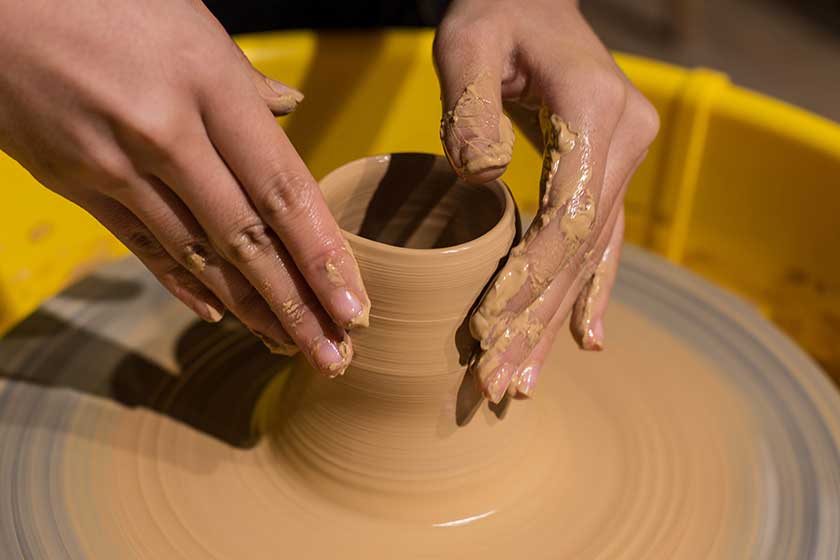
And Moganshan is the ideal place to enjoy Chinese nature. Criss-crossed with trails, the lush mountainous setting is perfect for hiking, biking and horse riding, with naked Stables also offering more sedate activities such as swimming, calligraphy, yoga, pottery and kite flying.
The locals are just as enthused about these offerings as international visitors.
"There is a noticeable change in consciousness going on," says Militzer. "More and more Chinese people, at least those who live in the city, are tired of endless concrete and pollution. They want clean and green. Some kids who come here have never even seen a sheep or a horse before. For them Moganshan is a real eye opener."


Super Shoots
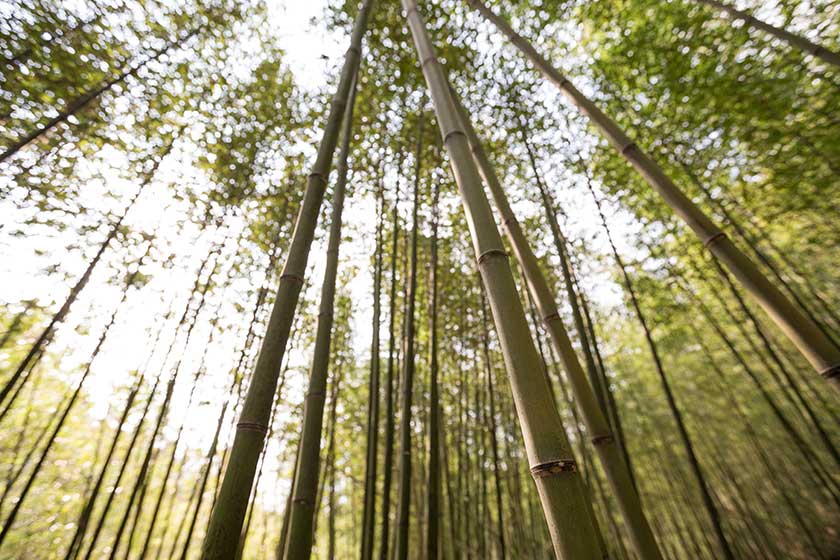
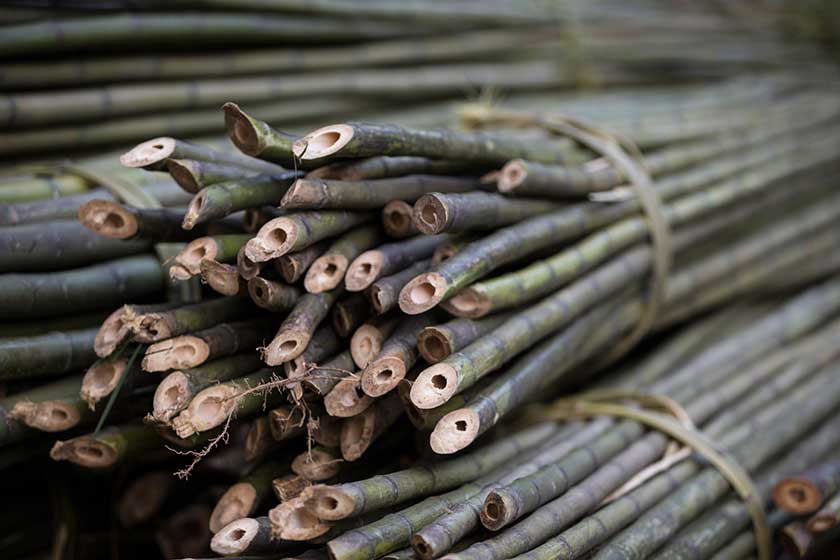
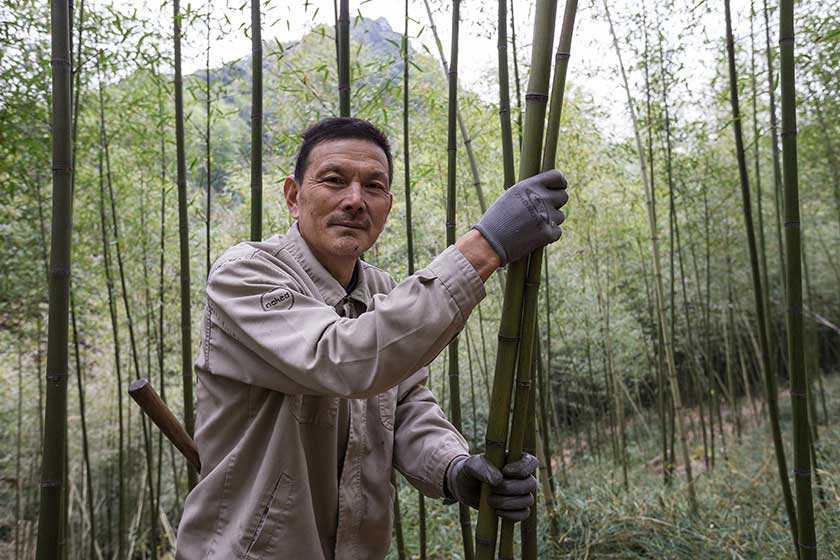
On the slopes above naked Stables the bamboo forest is whispering. Towering, pencil-straight stems sway in the breeze, creaking eerily as they kiss and twist, leaves rustling overhead in conspiratorial conversation. The morning sun filters through the densely packed canopy, throwing dappled light across the leaf-strewn floor. Neat piles of freshly cut bamboo stems lie ready for transportation.
There is nothing quite like being in a bamboo forest, but Wu Zhang has seen it all before. Using a rudimentary device fashioned from an old bamboo stem, sticky tape and a curved hook, the veteran Moganshan bamboo cutter is busy trimming the tops of mature trees.
"My family has farmed bamboo here for generations," he explains. "If you look at the stems you can see characters and numbers on some of them. The character shows who owns the bamboo, the number indicates the age."
More akin to a grass than a tree, bamboo is Moganshan's most important product. While certain species of bamboo can grow nearly a metre every day, this growth only happens in the spring. Moganshan bamboo is used to make everything from scaffolding, baskets and chopsticks to the stir fries and soups offered on the menus of naked Stables.
"Moganshan bamboo is the finest in China," says Wu Zhang proudly. "A lot of it is a variety we call mao zhu, or mao bamboo. This means 'hairy bamboo' in Chinese, although a lot of foreigners seem to think it was named after Mao Zedong."
Blissful Brew
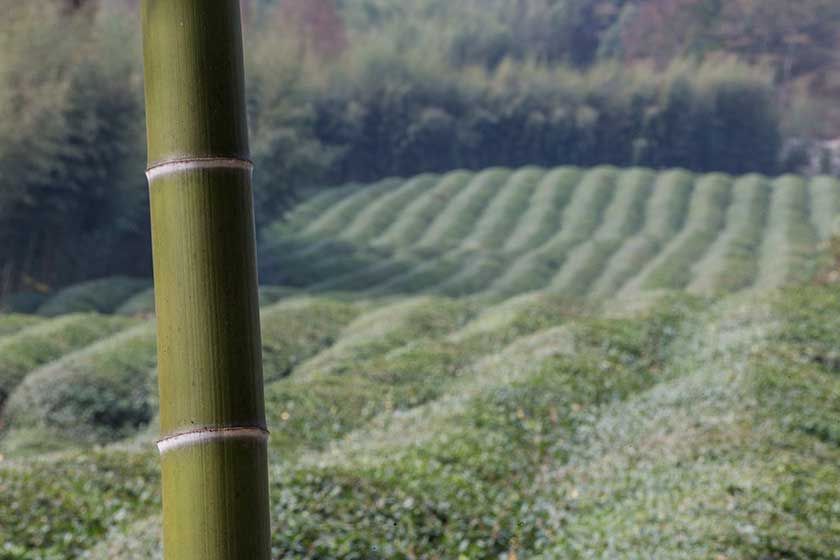
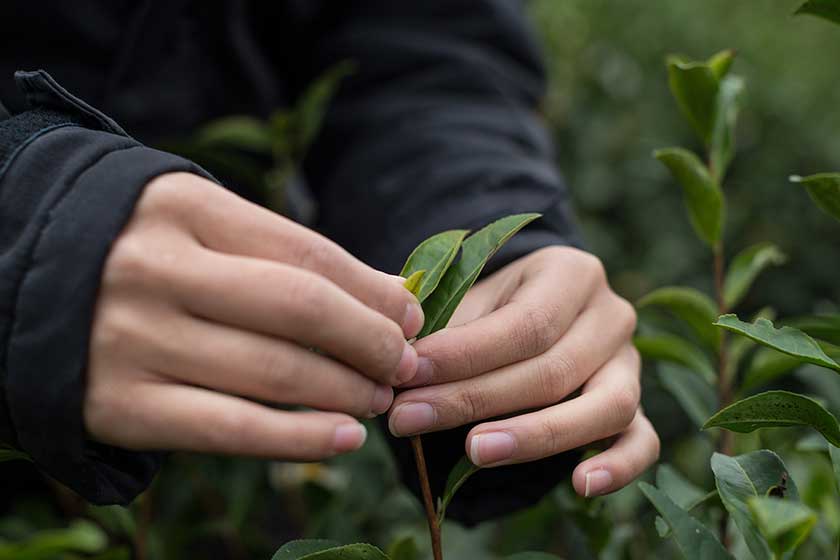
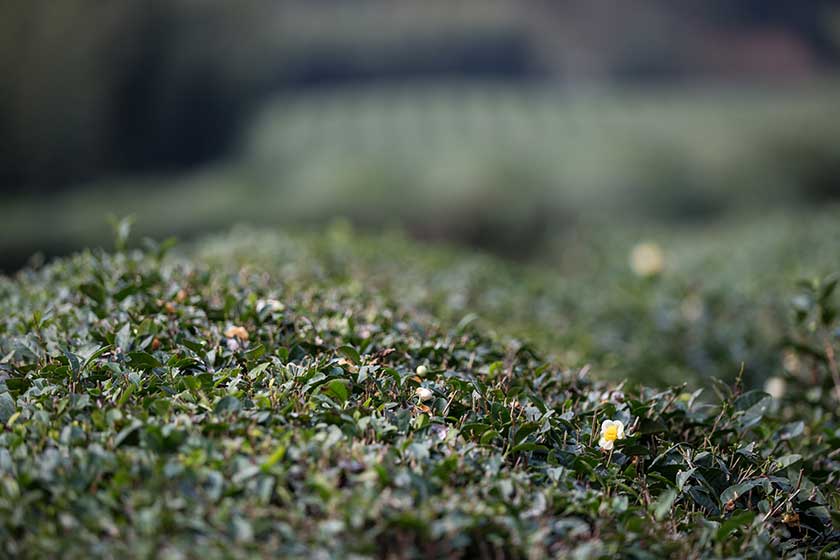
Tea is Moganshan's other famous botanical product. Visitors here soon become accustomed to the sight of emerald plantations draped across the landscape like gently rippled corduroy, with some resorts offering their guests the opportunity to pick and roast their own shoots in spring and summer.
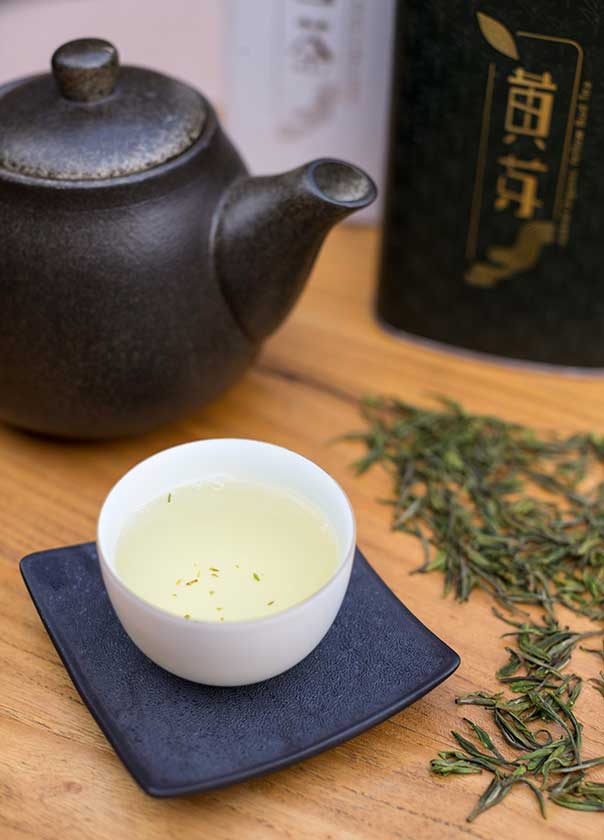
Moganshan white tea (bai cha), said to be one of Mao Zedong's favourites, is among the most famous and aromatic teas in China. The Camellia sinensis plant, characterized by its small leaves, is indigenous to the region, and can still be found growing wild across the mountainsides.
White tea is the name given to the new growth buds and young leaves that are plucked before they are fully opened (it is the silver hairs on the buds that give the young leaves a white appearance). With minimal post-harvest processing, white teas are even more delicate than their green counterparts and boast higher quantities of antioxidants.
"Today white teas from Moganshan are increasingly popular with health-conscious Chinese and foreigners," says Feng Zhu.
The same could be said of this enchanting hill station itself. Cool, clean and green, its power to reinvigorate body and mind is still as potent as in days of old.


Access
Moganshan is a 2 hour, 30 minute drive west of Shanghai. There are also buses taking 4 hours from the Old North Bus Station.
There are also buses from Hangzhou which is nearer.
Other Recommended Moganshan Accommodation
Le Passage Mokhan Shan - the 5-star hotel dates from 1996 and offers luxury suites and terrace rooms with superb views. Chinese, French and English spoken.
Book Hotel Accommodation in China
Book Hotels in Beijing - Booking.com
Find Hotels in Beijing - Agoda
Search Hotels in China - Booking.com
Recommended Hotels in Shanghai China - Agoda
Budget Hotels in Beijing - Booking.com
Best Hotels in Sanlitun - Booking.com
Book Luxury Hotels in Beijing
Beijing Palace Museum Ticket (The Forbidden City)
Mutianyu Great Wall Ticket & Cable Car